Semaglutide vs Tirzepatide vs Retatrutide
Three generations of GLP-class peptides. One question: which achieves the results you need? Here is the full clinical data comparison, mechanism breakdown, and decision framework based on peer-reviewed Phase 2 and Phase 3 trial data.
Most Clinical Data
Semaglutide
STEP + SUSTAIN + SELECT trials — broadest evidence base
Most Weight Loss
Retatrutide
24.2% avg at 24 wks — triple agonist advantage
Best Balance
Tirzepatide
Superior to semaglutide, more studied than retatrutide
How Each Generation Works
Semaglutide — Single GLP-1 Agonist
Semaglutide is a GLP-1 receptor agonist with 94% structural homology to human GLP-1 and a 7-day half-life. GLP-1 receptors are expressed in the hypothalamus (appetite control), gut (gastric emptying), pancreas (insulin secretion), and adipose tissue (fat oxidation). Semaglutide activates all of these simultaneously, producing comprehensive metabolic intervention from a single molecular target.
The STEP 1 trial demonstrated 14.9% average body weight loss over 68 weeks. The more recent SELECT trial (17,604 participants) demonstrated significant cardiovascular risk reduction — making semaglutide one of the few weight loss agents with confirmed CV endpoint benefits. This is the gold-standard evidence base that neither tirzepatide nor retatrutide yet matches.
Tirzepatide — Dual GIP + GLP-1 Agonist
Tirzepatide adds GIP (Glucose-Dependent Insulinotropic Polypeptide) receptor agonism to GLP-1 activation. GIP was historically considered unimportant for weight loss — tirzepatide's development overturned this assumption. The dual mechanism appears to produce synergistic (not just additive) effects: GIP activation enhances insulin sensitivity and promotes adipose lipolysis via mechanisms distinct from GLP-1 signaling.
SURMOUNT-1 Phase 3 data: 20.9% average weight loss at 72 weeks, with 56% of participants at 15mg losing 20%+ of body weight — a threshold previously associated only with bariatric surgery. Tirzepatide consistently outperforms semaglutide in head-to-head data (SURPASS-CVOT trial: tirzepatide showed 1.6× greater weight loss at similar timepoints).
Retatrutide — Triple GIP + GLP-1 + Glucagon Agonist
Retatrutide adds glucagon receptor agonism to the dual GIP/GLP-1 profile. The glucagon component drives direct thermogenic effects — increasing energy expenditure through brown adipose tissue activation and hepatic fat oxidation. This thermogenic mechanism is absent from both semaglutide and tirzepatide, and it explains why retatrutide achieves weight loss at a faster rate than either predecessor.
Phase 2 TRIUMPH-1 data: 24.2% average weight loss at 24 weeks — exceeding both semaglutide (14.9% at 68 weeks) and tirzepatide (20.9% at 72 weeks) in a shorter timeframe. Phase 3 trials are ongoing. Currently available as a research peptide through quality vendors. See the full Retatrutide guide for protocol details.
Head-to-Head Clinical Comparison
| Metric | Semaglutide | Tirzepatide | Retatrutide |
|---|---|---|---|
| Mechanism | GLP-1 | GIP + GLP-1 | GIP + GLP-1 + Glucagon |
| Key trial | STEP-1 | SURMOUNT-1 | TRIUMPH-1 (Phase 2) |
| Trial duration | 68 weeks | 72 weeks | 24 weeks |
| Avg weight loss | 14.9% | 20.9% | 24.2% |
| Participants losing 20%+ | ~33% | 56% (at 15mg) | Not yet reported |
| CV outcome data | Yes (SELECT trial) | Ongoing (SURPASS-CVOT) | Not yet |
| Starting dose | 0.25mg/wk | 2.5mg/wk | 1mg/wk (trials) |
| Max dose | 2.4mg/wk | 15mg/wk | 12mg/wk (Phase 2) |
| Half-life | ~7 days | ~5 days | ~6 days |
| Dosing frequency | Once weekly | Once weekly | Once weekly |
| GI side effects | Moderate | Mild–moderate | Mild–moderate |
| Phase 3 status | Approved (FDA) | Approved (FDA) | Ongoing |
Average Weight Loss Comparison
Which Should You Choose?
Choose Semaglutide if:
- Cardiovascular disease history — SELECT trial data provides specific CV benefit evidence
- Type 2 diabetes — strongest glucose management data in the SUSTAIN trial series
- Conservative approach — most years of clinical data and post-market safety record
- Budget considerations — generally lower cost per mg than tirzepatide
Choose Tirzepatide if:
- Maximum weight loss is the primary goal and you want proven Phase 3 data
- Insulin resistance or metabolic syndrome — GIP co-agonism adds insulin sensitivity benefits
- You tried semaglutide and want to step up to a more effective agent
- GI side effects were problematic on semaglutide — tirzepatide is generally better tolerated
Choose Retatrutide if:
- Maximum fat loss rate is the goal and you are comfortable with Phase 2 data
- You want the thermogenic component that neither GLP-1 nor dual agonists provide
- You have significant visceral or hepatic fat — glucagon component specifically targets liver fat
- You have already run semaglutide and/or tirzepatide and are looking for the next step
Universal Side Effect Note
All three compounds share the same class-related GI side effects: nausea, vomiting, constipation, and diarrhea — primarily during dose escalation. These are dose-dependent and typically resolve by weeks 4–8 as the body adapts. The slow escalation protocol is not optional — it exists to make the compound tolerable. Never skip escalation steps.
Stacking GLP Peptides with GH Support
One of the most effective advanced protocols combines a GLP-class peptide for fat loss with Ipamorelin + CJC-1295 for growth hormone support. The rationale: GLP peptides drive significant caloric deficit and fat loss, but aggressive caloric restriction triggers muscle catabolism. GH peptides counteract this by maintaining anabolic signaling, preserving lean mass, and accelerating the lipolytic effects of GH.
The combination is used extensively in body recomposition circles and produces substantially better body composition outcomes than either compound alone — more fat loss with significantly better lean mass preservation. The standard approach is to run the GLP peptide continuously at maintenance dose while cycling the GH stack (5 days on / 2 days off, before sleep, fasted).
BPC-157 is also commonly added to GLP protocols, particularly for users experiencing GI side effects. BPC-157's gut-healing and anti-inflammatory properties in the GI tract can significantly reduce GLP-induced nausea and improve tolerability during the escalation phase.
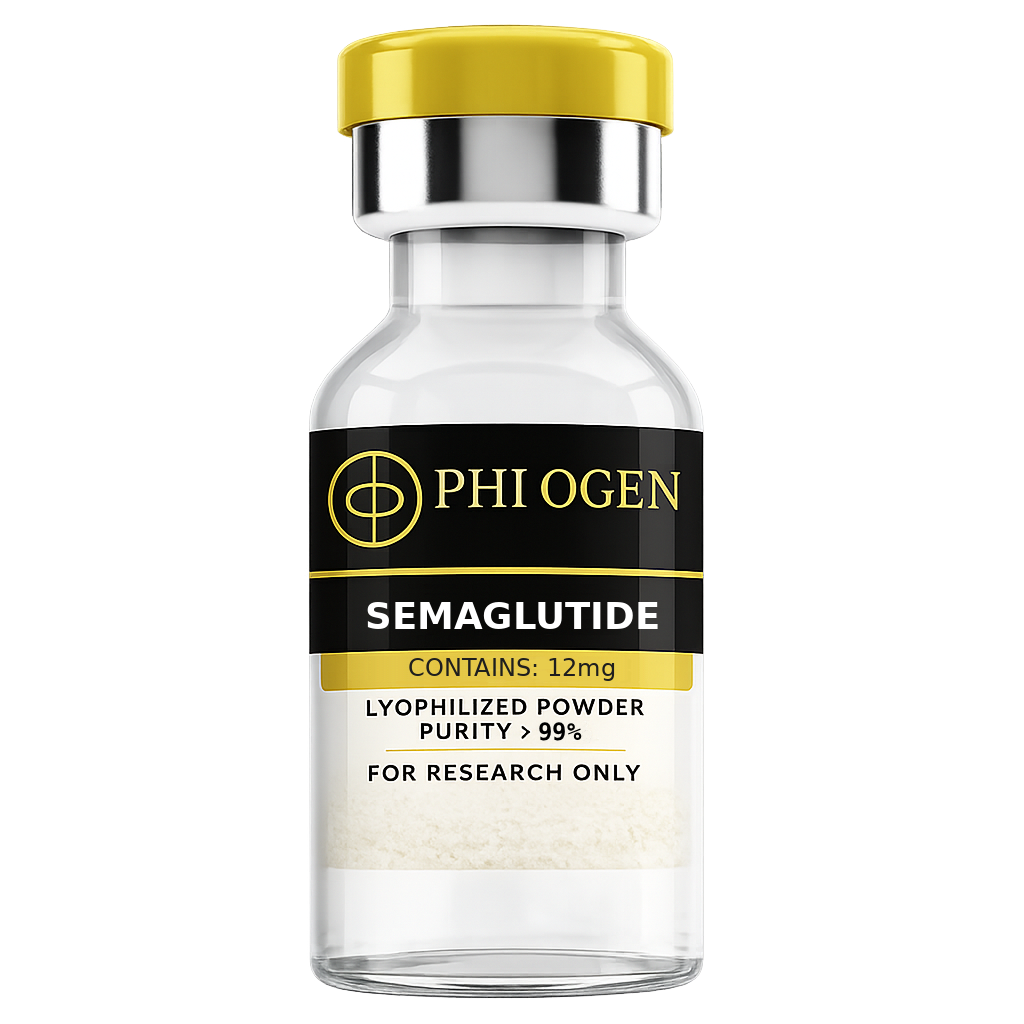
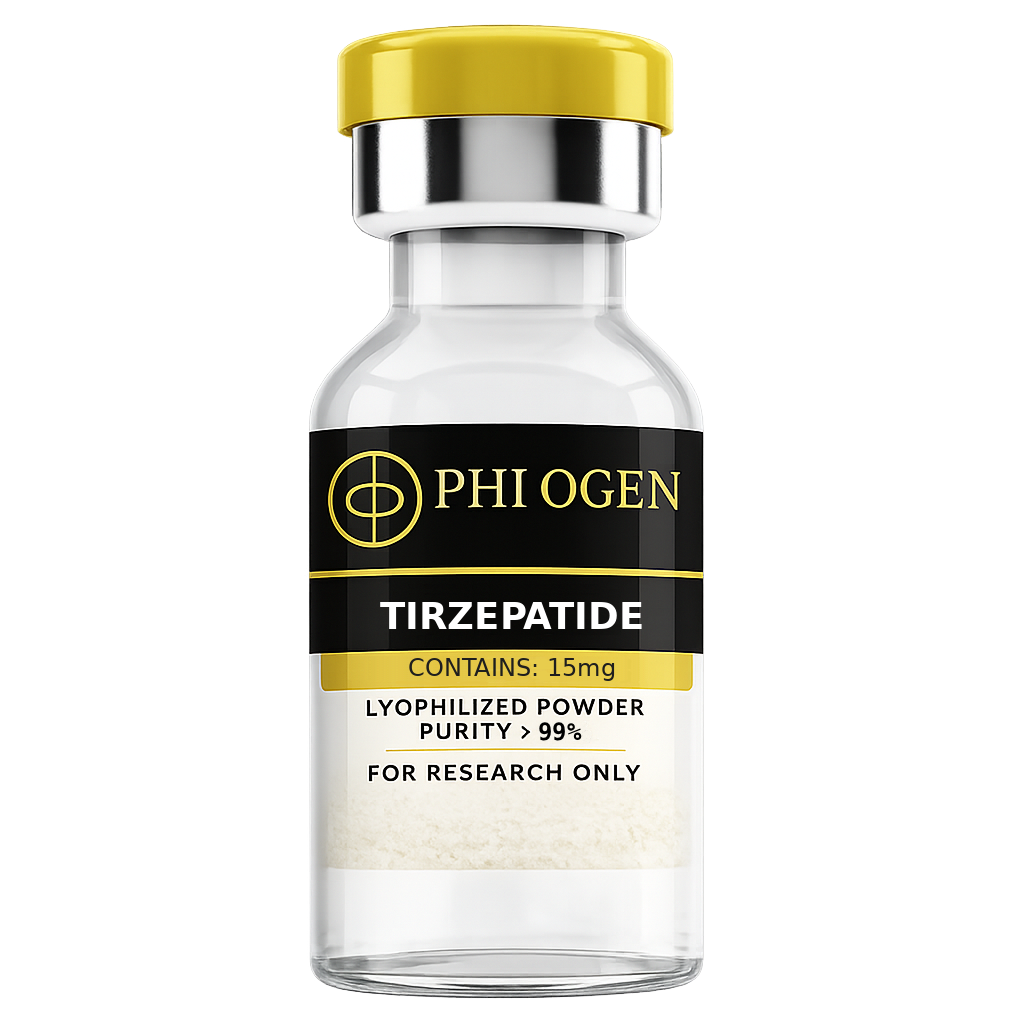
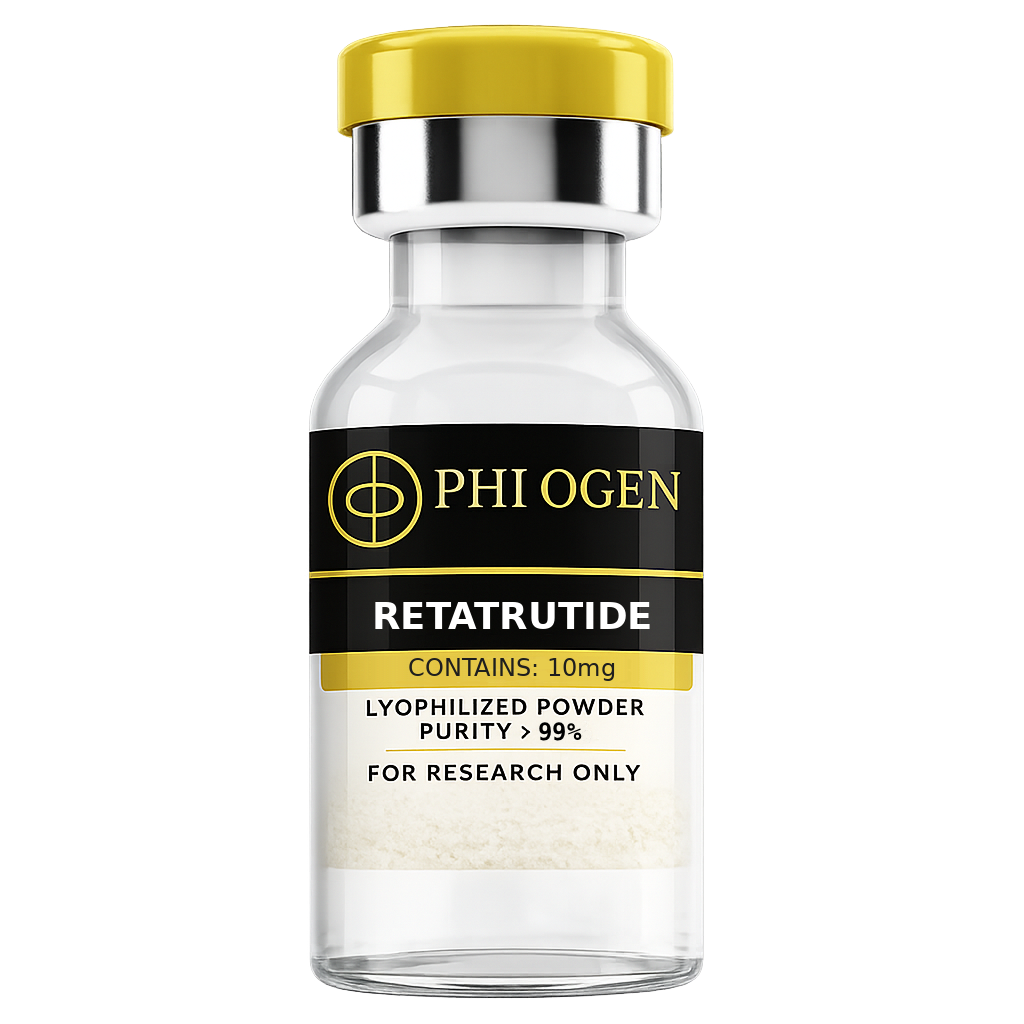
Shop GLP-Class Peptides
HPLC-verified purity, COA available per batch.
GLP Comparison Questions Answered
Is tirzepatide always better than semaglutide?
In clinical trials, tirzepatide produces greater average weight loss than semaglutide (20.9% vs 14.9%). However, "better" depends on your specific situation. Semaglutide has a longer safety track record, may have superior cardiovascular benefits per the SELECT trial, and is better tolerated by users sensitive to GI side effects. Tirzepatide's dual GIP/GLP-1 mechanism adds benefits around insulin sensitivity and metabolic flexibility that extend beyond pure weight loss. For pure weight reduction, tirzepatide wins. For overall cardiovascular and metabolic health, semaglutide's evidence base is more comprehensive.
What is retatrutide and how is it different?
Retatrutide (GLP-3 R) is a triple agonist — it activates GIP, GLP-1, AND glucagon receptors simultaneously. The glucagon component adds direct thermogenic and lipolytic effects that neither semaglutide nor tirzepatide can achieve. Phase 2 trials showed 24.2% average weight loss at 24 weeks — significantly exceeding both comparators at the same timepoint. Retatrutide is currently in Phase 3 trials and represents the next generation of metabolic peptides.
Which GLP causes the least nausea?
All three GLP-class peptides cause nausea — primarily during dose escalation — because GLP-1 receptor activation slows gastric emptying. Tirzepatide tends to cause less nausea than semaglutide at comparable weight loss efficacy, likely because GIP co-agonism partially counteracts GI motility effects. Retatrutide's nausea data from Phase 2 is comparable to tirzepatide. Regardless of choice, nausea is dose-dependent and virtually always improves after the first 4–8 weeks as the body adapts to slowed gastric emptying.
Can I stack GLP peptides with other peptides?
Yes — the most common and effective combination is a GLP-class peptide with Ipamorelin/CJC-1295. The GLP peptide drives fat loss while the GH stack preserves or builds lean muscle mass — counteracting the lean mass loss that can occur during aggressive weight loss protocols. This combination is used extensively in body recomposition protocols. BPC-157 is also commonly added to mitigate GI side effects in sensitive individuals.
How long do I need to stay on a GLP peptide?
GLP-class peptides produce results during active use. Weight regain after stopping is common — the SELECT and STEP extension trials both showed meaningful weight regain within 12 months of discontinuation. Most practitioners approach GLP peptides as long-term maintenance compounds rather than finite courses, similar to how blood pressure medications are used. Some users cycle on and off after reaching goal weight, with maintenance doses during off periods.
What is the starting dose protocol for each?
All three use slow escalation to minimize side effects: Semaglutide starts at 0.25mg/week for 4 weeks, escalating over 12–16 weeks to 2.4mg/week. Tirzepatide starts at 2.5mg/week for 4 weeks, escalating over 16 weeks to 15mg/week. Retatrutide (research only) starts at 1mg/week in trials, escalating more rapidly. Never jump to high doses — the GI side effects of doing so are severe and the escalation protocol exists for a reason.
Related Reading