TB-500 (Thymosin Beta-4)
Chemical name: Thymosin Beta-4 fragment (Tβ4)
TB-500 is the most potent systemic healing peptide available. Unlike localized compounds, it travels through the bloodstream and initiates repair cascades in every tissue simultaneously — reducing fibrosis, restoring flexibility, and accelerating recovery from chronic and acute injuries alike.
Systemic
Full-body distribution
8–12 wks
Standard protocol
5mg/wk
Maintenance dose
Anti-fibrotic
Scar tissue reduction
What Is TB-500?
TB-500 is a synthetic 17-amino-acid peptide fragment derived from Thymosin Beta-4 — a naturally occurring 43-amino-acid protein present in virtually every human cell at baseline. It is one of the most abundant intracellular peptides in mammals, playing a central role in actin cytoskeleton regulation, cell motility, and tissue homeostasis.
The TB-500 fragment contains the actin-binding domain of the full Tβ4 protein — specifically the LKKTETQ sequence responsible for G-actin sequestration. This is the region that drives cell migration, proliferation, and the upstream signaling that triggers systemic healing cascades. By isolating this domain, TB-500 delivers the core therapeutic mechanism at significantly lower effective doses than the full parent protein.
Unlike most healing peptides that exert primarily local effects at the injection site, TB-500 distributes systemically through the bloodstream. This is its defining clinical advantage: a single subcutaneous injection initiates repair signaling throughout every tissue in the body simultaneously — tendons, muscles, ligaments, fascia, and cardiac tissue all respond concurrently.
Actin Sequestration
TB-500 binds G-actin with high affinity, increasing the pool of unpolymerized actin available for cell migration. This directly accelerates the movement of repair cells (fibroblasts, myoblasts) to damaged tissue — the rate-limiting step in tissue repair.
Anti-Inflammatory Cytokine Modulation
TB-500 downregulates pro-inflammatory cytokines (TNF-α, IL-1β, IL-6) while upregulating anti-inflammatory mediators. This creates an environment conducive to tissue repair rather than chronic inflammation — the state many overuse injuries are stuck in.
Angiogenesis & Myogenesis
TB-500 promotes the formation of new blood vessels (angiogenesis) to restore vascularity in damaged tissue, and stimulates myogenesis (new muscle fiber formation) — addressing both the structural and vascular components of injury recovery.
Anti-Fibrotic Action
TB-500 reduces the deposition of fibrous scar tissue during healing — one of its most clinically significant effects. Fibrosis restricts range of motion and creates weak tissue architecture. TB-500 promotes organized collagen deposition over disorganized scar.
What the Research Shows
TB-500 / Thymosin Beta-4 is one of the most researched healing peptides in the literature, with peer-reviewed studies spanning cardiac repair, musculoskeletal recovery, corneal healing, neuroprotection, and hair follicle biology. Key findings include:
Accelerated wound closure and tissue remodeling
Multiple studies demonstrate significantly faster wound healing and improved tissue architecture compared to controls, attributed to TB-500's pro-migratory effects on epithelial and endothelial cells.
Cardiac tissue protection after ischemia
In myocardial infarction animal models, TB-500 reduced cardiac scar formation, promoted cardiomyocyte survival, and significantly improved post-infarction cardiac function — one of the most striking findings in Tβ4 research.
Fibrosis reduction in soft tissue injuries
TB-500 consistently reduces fibrous scar deposition in tendon, ligament, and muscle injury models — a critical advantage for athletes who need full range of motion restored, not just structural repair.
Hair follicle stem cell activation
Thymosin Beta-4 promotes hair follicle stem cell activation and has demonstrated follicle recovery and hair regrowth stimulation in multiple rodent models and human pilot data.
Neuroprotection and neural repair
TB-500 demonstrates neuroprotective effects in spinal cord injury models, promoting axonal sprouting and reducing inflammation-mediated neuronal death — making it relevant beyond musculoskeletal applications.
Range of motion restoration
Anecdotally and in pilot data, athletes using TB-500 consistently report significant improvements in joint and tendon flexibility within 2–4 weeks, attributed to the combination of anti-fibrotic action and improved tissue hydration.
TB-500 Protocol Guide
TB-500 is almost universally run as a two-phase protocol: a loading phase to rapidly saturate systemic receptors, followed by a lower maintenance dose through the healing period. The loading phase is optional but consistently produces faster early results for acute injuries.
Loading Phase (Weeks 1–2)
- Dose: 7.5–10mg total per week
- Split: 2–3 injections per week
- Route: Subcutaneous (abdomen or thigh)
- Purpose: Saturate actin-binding reservoirs, rapid systemic distribution
Maintenance Phase (Weeks 3–12)
- Dose: 5–7.5mg total per week
- Split: 2× per week (e.g., Monday/Thursday)
- Duration: Continue for full healing period
- Cycle: 12 weeks on / 4 weeks off
Injection location: Always subcutaneous — abdomen, thigh, or upper arm. TB-500 works systemically, so proximity to the injury site is irrelevant. Rotate sites to avoid subcutaneous tissue irritation.
Reconstitution: Mix with bacteriostatic water for multi-use stability. Each vial is lyophilized (freeze-dried) for maximum shelf life before reconstitution.
When to Use TB-500
Muscle tears (Grade I–II)
TB-500 primary — systemic muscle repairTB-500's myogenic properties make it ideal for partial muscle tears. Load at 10mg/wk for 2 weeks, then maintain.
Chronic tendinopathy
TB-500 + BPC-157 stackChronic tendons need both local vascularization (BPC-157) and systemic fibrosis clearance (TB-500).
Post-surgical recovery
TB-500 + BPC-157 combinedSurgery creates systemic inflammation alongside local damage. Use both peptides from day 1 post-op.
Overuse / repetitive strain
TB-500 primary — maintenance doseAnti-fibrotic and anti-inflammatory properties address the accumulated damage of chronic overuse patterns.
Systemic inflammation / general recovery
TB-500 at 5mg/wk preventive doseAthletes with high training loads use TB-500 in ongoing 8-week cycles to maintain systemic recovery capacity.
TB-500 + BPC-157: Why This Stack Dominates
TB-500 and BPC-157 are the two most studied healing peptides, and they complement each other through entirely non-overlapping mechanisms. Running them together produces synergistic results that exceed either compound alone.
| Property | TB-500 | BPC-157 |
|---|---|---|
| Action type | Systemic — full body | Local — concentrated at injection site |
| Primary mechanism | G-actin binding, cell migration | NO pathway, GH receptor upregulation |
| Anti-fibrotic | Strong ✓ | Moderate |
| Gut healing | Minimal | Primary indication ✓ |
| Nerve repair | Moderate | Strong ✓ |
| Flexibility restoration | Strong ✓ | Moderate |
| Typical dose | 5–10mg/week | 250–500mcg twice daily |
| Injection frequency | 2–3× per week | Twice daily |
Full Comparison Guide
BPC-157 vs TB-500 head-to-head — which injury types need which peptide, and when to combine.
Healing & Recovery Hub
Full healing peptide protocols for tendons, ligaments, muscle, and gut — with dosing tables.
Ultimate Healing Stack
Pre-built BPC-157 + TB-500 protocol with week-by-week dosing guide and injury timelines.
Shop TB-500 & Healing Stack
HPLC-verified, COA available per batch.
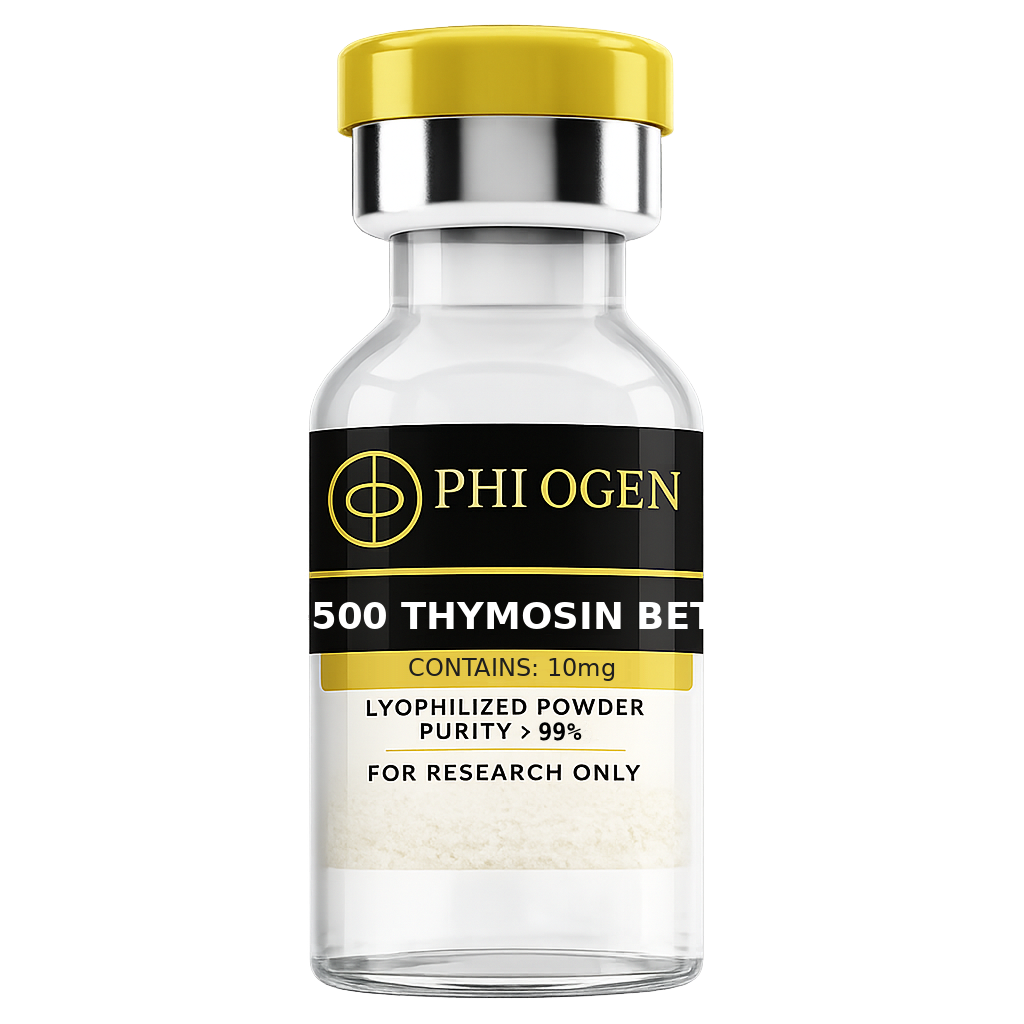
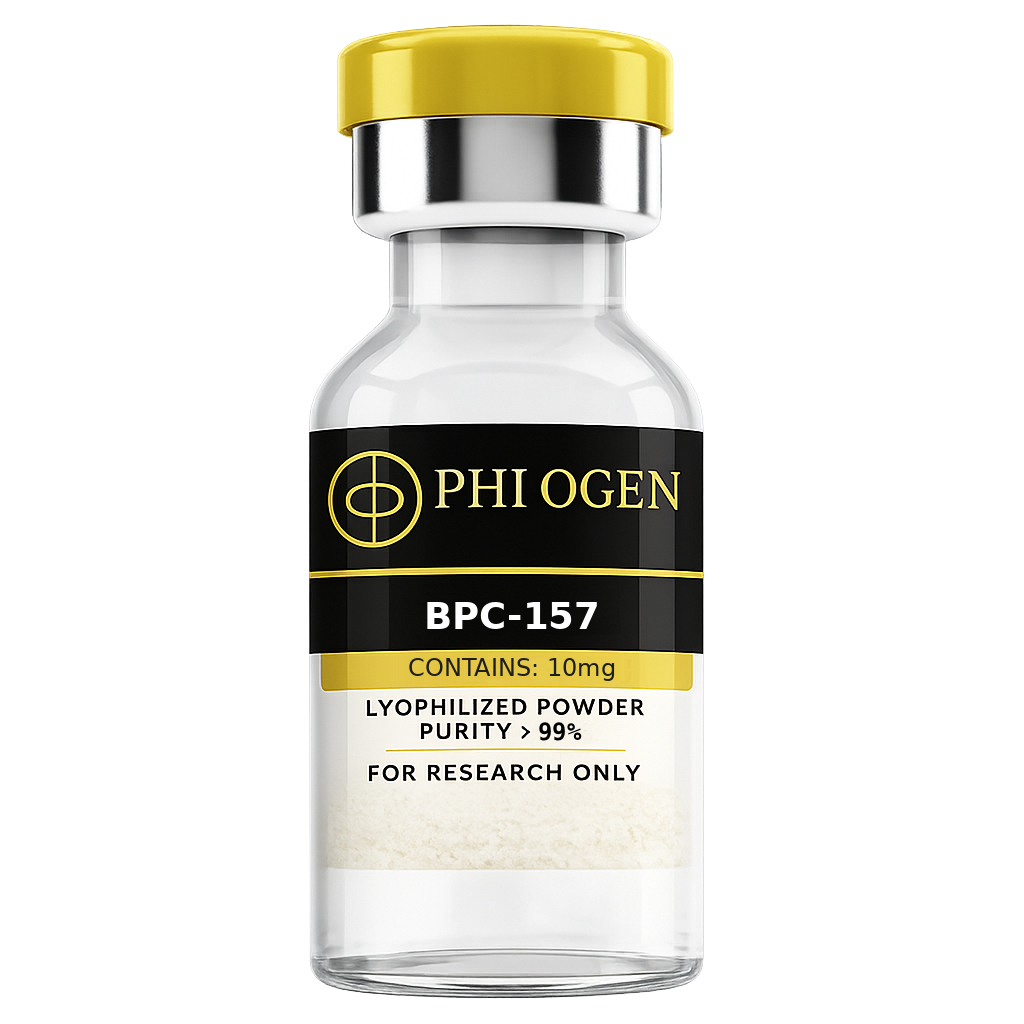
Wolverine Stack
The viral healing protocol named for Wolverine's regenerative factor — BPC-157 for local tissue repair, TB-500 for systemic healing and flexibility, GHK-Cu for scar remodeling and skin repair, and NAD+ for cellular-level recovery acceleration.
TB-500 Questions Answered
What is the difference between TB-500 and Thymosin Beta-4?
TB-500 is a synthetic peptide fragment derived from the full Thymosin Beta-4 (Tβ4) protein. The fragment contains the actin-binding domain of Tβ4 — the region responsible for its cell migration and repair signaling — making it highly bioactive at much lower doses than the full protein. Full Thymosin Beta-4 is expensive to produce; TB-500 delivers the core therapeutic action at a fraction of the cost.
What is the TB-500 loading phase and do I need it?
The loading phase (weeks 1–2 at 7.5–10mg/week) saturates the body's actin-binding reservoirs and establishes baseline systemic levels quickly. It is most valuable for acute injuries where you want rapid onset — for chronic conditions or preventive use, jumping straight to the 5mg/week maintenance dose is reasonable. For serious acute tears or post-surgical recovery, the loading phase consistently produces faster results.
Where should I inject TB-500?
Unlike BPC-157, which is often injected near the injury site, TB-500 works systemically through the bloodstream and should always be injected subcutaneously — abdomen, thigh, or upper arm. Proximity to the injury does not matter for TB-500. The peptide distributes throughout the body regardless of injection site.
Can I run TB-500 and BPC-157 simultaneously?
Yes — this is the recommended approach for most musculoskeletal injuries. The two peptides work through entirely different mechanisms with no known interactions. BPC-157 handles local tissue repair, NO pathway signaling, and gut healing. TB-500 manages systemic inflammation, actin-mediated cell migration, and fibrosis reduction. Running them simultaneously covers every axis of the healing cascade at once.
How quickly does TB-500 work?
Most users notice reduced systemic inflammation and improved range of motion within 1–2 weeks of starting. Pain reduction in soft tissue injuries typically begins at 2–3 weeks. Structural tissue repair and measurable improvements in flexibility continue through the 8–12 week protocol duration. Anti-fibrotic effects (scar tissue reduction) may take the full 12 weeks to manifest.
Is TB-500 suitable for chronic injuries?
TB-500 is particularly well-suited for chronic overuse injuries where poor vascularity and accumulated fibrosis have stalled natural healing. Its pro-angiogenic (new blood vessel) and anti-fibrotic properties directly address the two main barriers to chronic injury resolution. Many users with years-old tendinopathies or ligament issues report significant improvement during a 12-week TB-500 protocol.
Related Reading