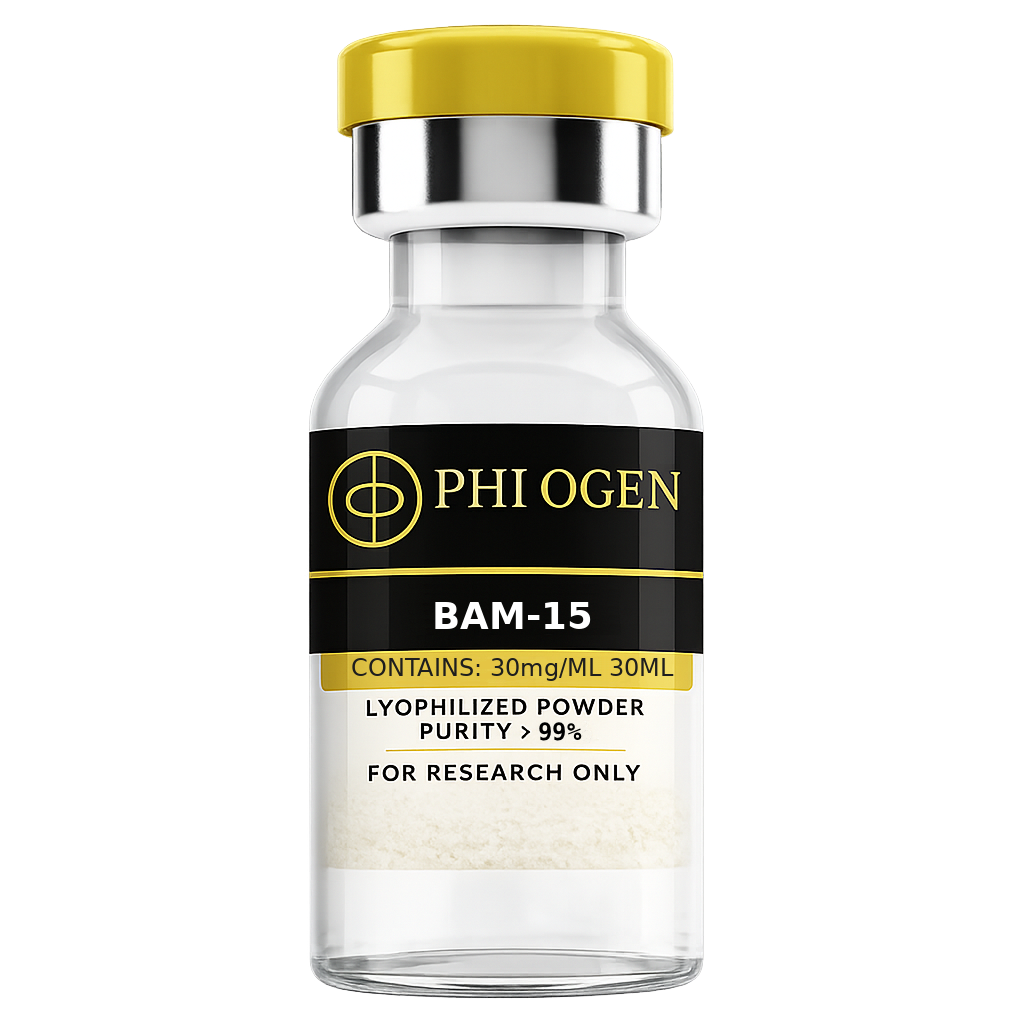
BAM-15 30mg/mL 30mL
Mitochondrial uncoupler — accelerate metabolism without hormonal effects.
14.9%
Avg body weight reduction
68wk
STEP-1 trial duration
FDA
Reviewed mechanism
Buy verified BAM-15 30mg/mL 30mL. 98.5% purity. Mitochondrial proton uncoupler that drives fat oxidation without thermogenic side effects.
Selective Mitochondrial Uncoupling
BAM-15 concentrates preferentially in metabolically active tissues with high mitochondrial membrane potential — achieving the metabolic rate-increasing fat loss effect of uncoupling without the systemic heat generation that made DNP fatally dangerous.
ROS Reduction as Bonus Effect
Mitochondrial uncoupling paradoxically reduces superoxide production at complexes I and III by reducing the proton gradient backpressure that drives electron leakage — giving BAM-15 an antioxidant metabolic effect that complements rather than conflicts with its fat-burning activity.
Fat Loss Without Appetite Suppression
BAM-15 produces fat loss through metabolic rate elevation and increased substrate oxidation — independent of appetite, food intake behavior, or any hormonal signaling pathway. This mechanism is entirely complementary to GLP-1 agonists and acts through a completely different system.
BAM-15: Mitochondrial Uncoupling Fat Loss Protocol
Mechanism · Evidence · Application
BAM-15 is a mitochondrial proton uncoupler — it dissipates the proton gradient across the inner mitochondrial membrane that normally drives ATP synthesis, converting that stored electrochemical energy into heat rather than ATP production. This uncoupling mechanism increases energy expenditure (metabolic rate elevation) without the cardiovascular toxicity, hyperthermia risk, or thyroid-like adverse effects that have prevented older uncouplers from clinical development. BAM-15 is the most selectively tolerated mitochondrial uncoupler ever pharmacologically characterized.
The energy coupling mechanism of the mitochondria works as follows: electron transport chain (ETC) activity pumps protons from the mitochondrial matrix to the intermembrane space, creating an electrochemical gradient (proton-motive force) that drives ATP synthesis through the F1F0-ATP synthase. Chemical uncouplers allow protons to flow back across the inner mitochondrial membrane directly, bypassing ATP synthase — dissipating the proton-motive force as heat rather than ATP. The metabolic consequence is that ETC activity must increase to maintain mitochondrial function, dramatically increasing substrate (glucose, fatty acids) oxidation rate without producing proportional ATP. The cell burns more fuel to maintain the same energy currency.
The classical uncoupler DNP (2,4-dinitrophenol) operates through this mechanism and produces powerful fat loss — but caused multiple human deaths from uncontrolled hyperthermia when used by bodybuilders, as systemic uncoupling at therapeutic doses produced dangerous heat generation. BAM-15's selectivity advantage is its preferential accumulation in mitochondria with higher membrane potential (more depolarized) — meaning it concentrates preferentially in metabolically active tissues like brown adipose tissue, liver, and muscle rather than distributing uniformly to all tissues including the heart. This selective accumulation profile, combined with its molecular structure that limits passage across plasma membranes, restricts uncoupling activity to metabolic tissues and substantially reduces systemic thermogenic risk.
Preclinical data in murine obesity models demonstrates BAM-15's metabolic effects: significant fat mass reduction, improved insulin sensitivity, and metabolic rate elevation without the temperature increases or cardiovascular effects observed with non-selective uncouplers. In diet-induced obese mice, BAM-15 produced fat loss comparable to semaglutide with improved metabolic markers — particularly reduced lipid peroxidation and oxidative stress markers (ROS reduction is a counter-intuitive benefit of uncoupling, as reduced proton gradient backpressure decreases superoxide production at complex I/III). The reduction in mitochondrial ROS production with BAM-15 has made it a subject of interest in metabolic disease contexts beyond just fat loss — including insulin resistance, fatty liver, and neurodegeneration models where mitochondrial oxidative stress is a driving pathology.
The 30mg/L (30mL) formulation provides 0.9mg total BAM-15 in injectable liquid form — a precise low-concentration format suitable for research dosing protocols where exact dose titration is required. BAM-15 remains a research compound without human clinical data.
Metabolic & Weight Loss Results
Mitochondrial proton uncoupling increases metabolic rate — burns more substrate without increasing ATP demand
Fat mass reduction in diet-induced obese murine models — efficacy comparable to semaglutide in preclinical data
Improved insulin sensitivity alongside fat loss — metabolic benefit independent of weight reduction
Selective mitochondrial accumulation reduces cardiovascular and thermogenic risk vs. classical uncouplers like DNP
Reduces mitochondrial ROS production — counter-intuitive antioxidant effect from reduced electron backpressure
Reduced hepatic lipid peroxidation and oxidative stress markers in preclinical metabolic disease models
No thyroid axis involvement — metabolic rate increase through direct mitochondrial mechanism
Relevant for insulin resistance and fatty liver disease contexts beyond fat loss through ROS reduction
No appetite suppression mechanism required — metabolic rate increase is substrate and caloric independent
Most selectively tolerated mitochondrial uncoupler pharmacologically characterized — best safety profile in class
Weight Loss Protocol Guide
BAM-15 30mg/mL 30mL Protocol Guide
Research Protocol — BAM-15 (30mg/L):
· Formulation: 30mg/L injectable solution (0.9mg per 30mL vial)
· Application: Preclinical metabolic research; in vitro mitochondrial biology
· NOT for human administration
Preclinical Dosing Context:
· Published murine studies: 50mg/kg/day IP injection produced significant fat loss
· Lower doses in drinking water formulations also show metabolic effects
· Dose-response relationship is steep — careful titration required
Research Applications:
· Diet-induced obesity mouse models — metabolic rate measurement, fat mass tracking
· Mitochondrial ROS production studies (seahorse respirometry, JC-1/TMRE assays)
· Insulin resistance reversal studies in HFD models
· Combination with GLP-1 peptides for multi-mechanism fat loss research
Storage:
· Injectable liquid: 4°C, protect from light
· Do not freeze liquid formulation
· Use within 60 days of receipt
BAM-15 30mg/mL 30mL
HPLC Tested · COA Verified
$80.99
$89.99
10% OFFHPLC tested · COA verified
Body Composition
Mitochondrial uncoupler — accelerate metabolism without hormonal effects.
Quality Assurance
HPLC Testing
Purity verified per batch
Mass Spectrometry
Molecular identity confirmed
Certificate of Analysis
Publicly available
US-Based Supplier
HPLC + Mass Spec Verified
Synergistic Combinations
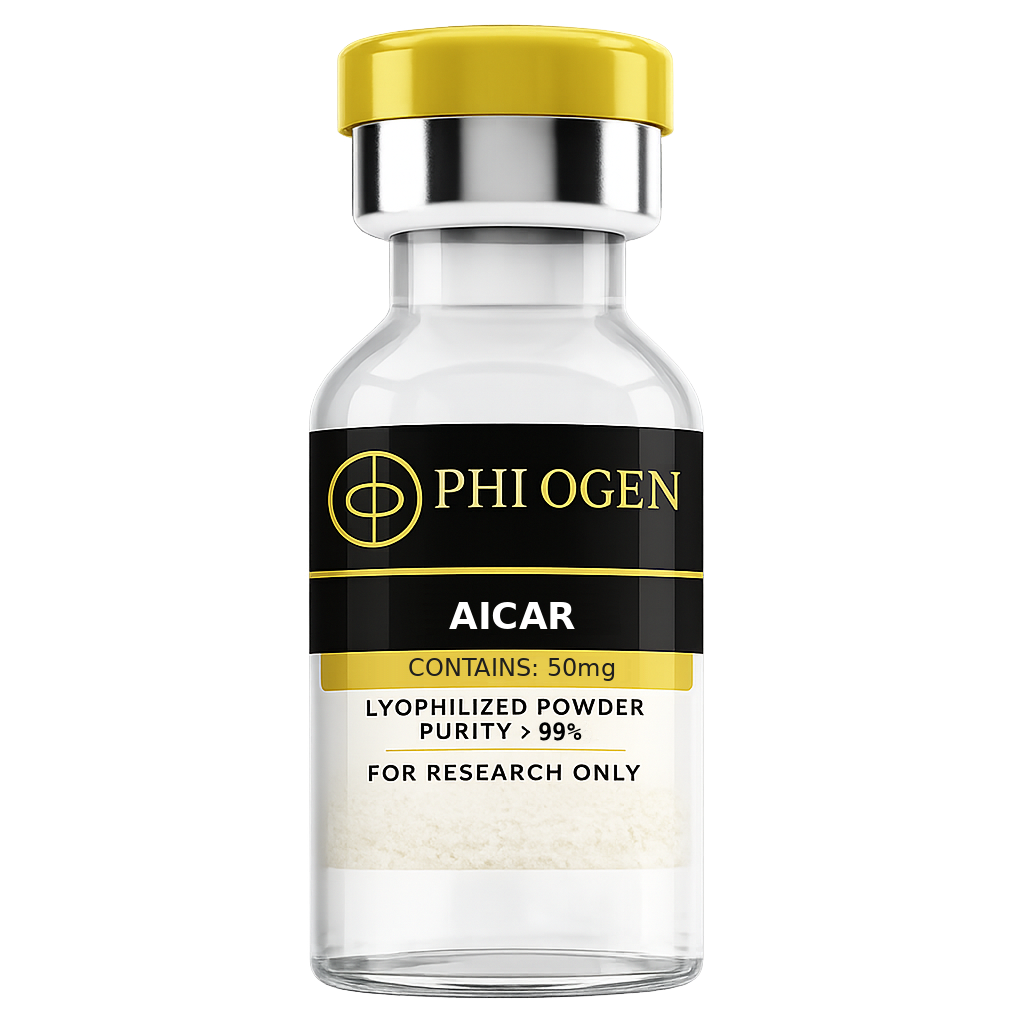
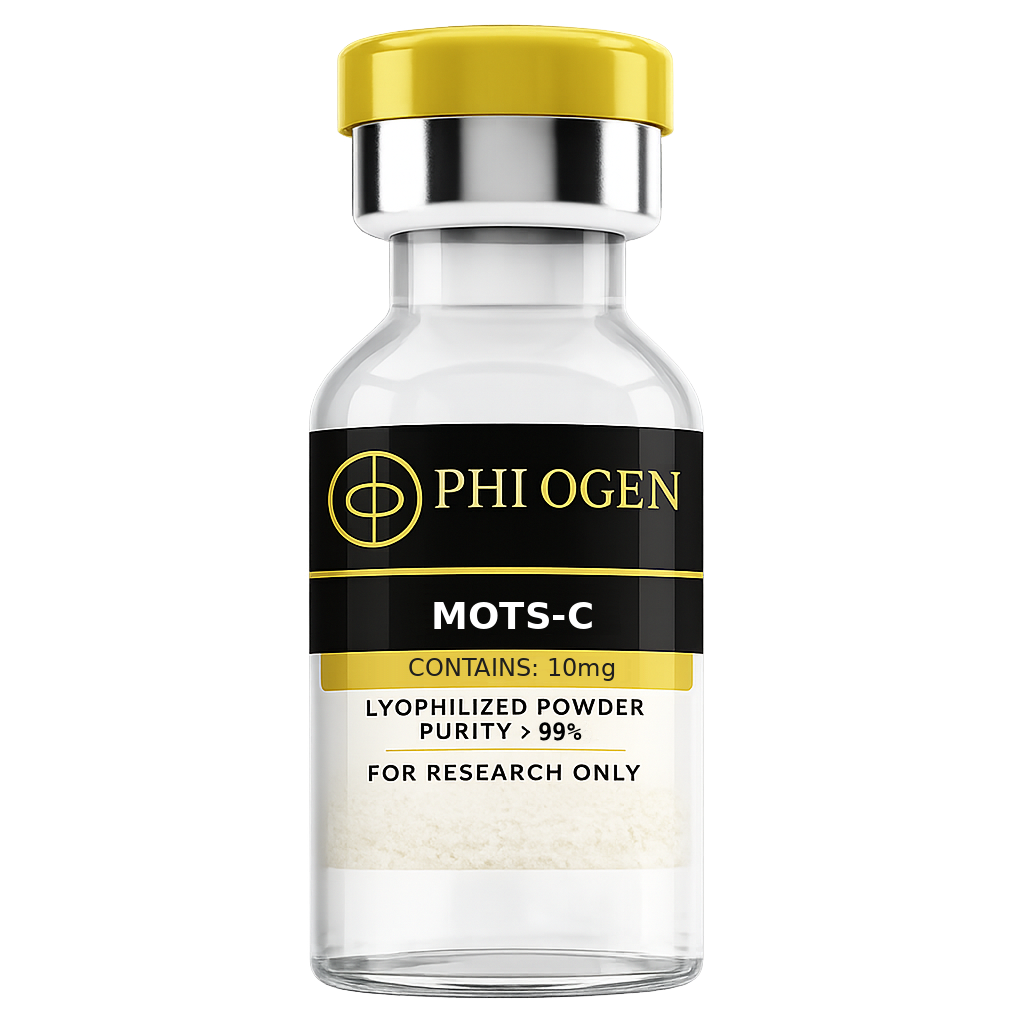
Stack BAM-15 30mg/mL 30mL With
Ready to Start?
Begin your BAM-15 30mg/mL 30mL protocol
HPLC-tested and mass-spectrometry verified, with a Certificate of Analysis for every batch.
Get BAM-15 30mg/mL 30mL