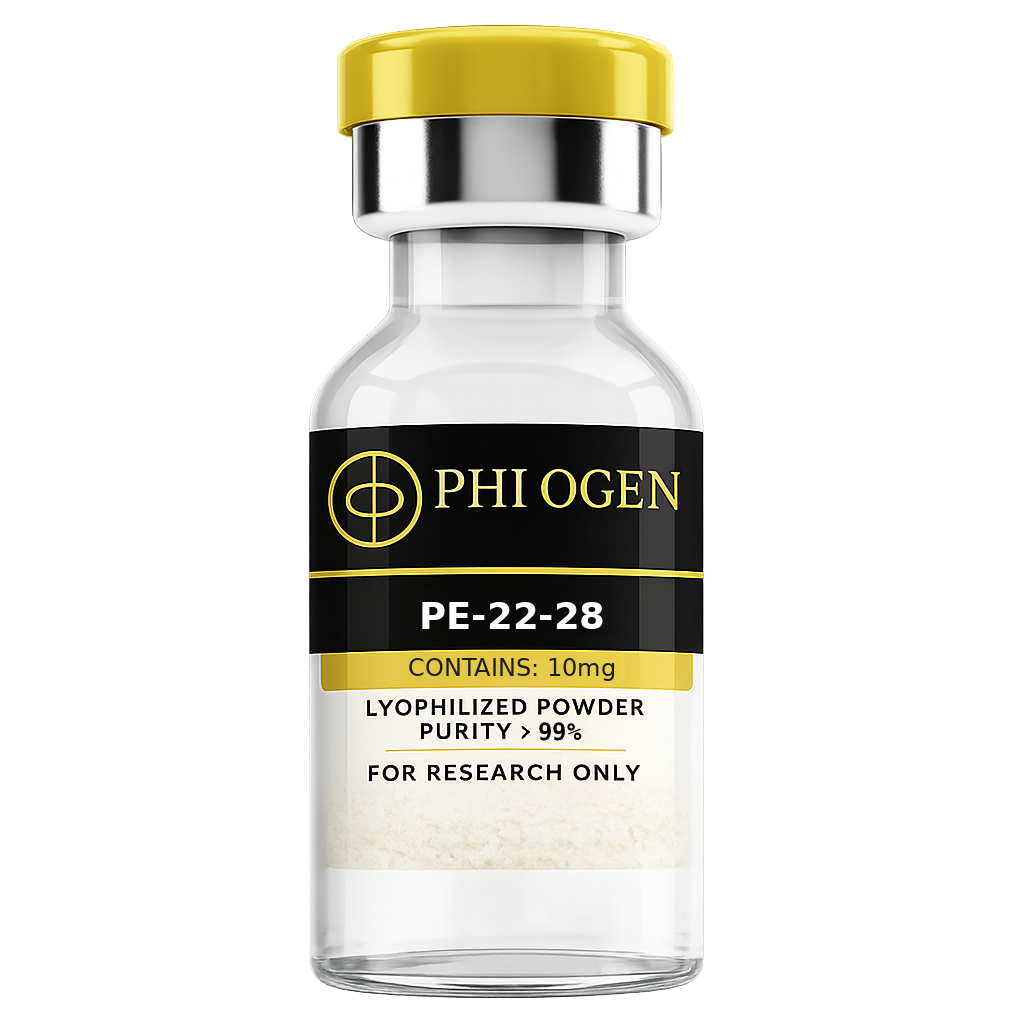
PE-22-28 10mg
BDNF mimetic antidepressant peptide — fast-acting mood enhancement.
High
Purity verified
COA
Batch certified
US
US supplier
Buy verified PE-22-28 10mg. 99.0% purity. Selective BDNF TrkB receptor agonist with antidepressant effects comparable to imipramine.
Research Grade · HPLC Tested
$71.99
$79.99
10% OFFHPLC tested · COA included
Order NowDirect TrkB Activation — The Shared Antidepressant Target
Every effective antidepressant — SSRIs, SNRIs, tricyclics, ketamine — ultimately converges on BDNF-TrkB signaling as a required downstream mechanism. PE-22-28 activates TrkB directly rather than through upstream pathways, targeting the core neuroplasticity mechanism all antidepressants share.
Hippocampal Neurogenesis as Antidepressant Mechanism
TrkB activation in the hippocampal dentate gyrus drives neurogenesis — the birth of new neurons that is increasingly understood as a key functional contributor to antidepressant response. PE-22-28's direct TrkB agonism provides the strongest available neurogenic signal in this niche.
BBB-Penetrating BDNF Mimetic
Native BDNF is 27kDa and cannot cross the blood-brain barrier — it cannot be administered systemically for CNS effects. PE-22-28's small peptide structure representing only BDNF's TrkB-binding loop provides the neurological receptor activation while bypassing the pharmacokinetic barrier that makes BDNF itself non-pharmacological.
PE-22-28: BDNF TrkB Agonist Protocol
Mechanism · Evidence · Application
PE-22-28 is a synthetic peptide derived from the BDNF (Brain-Derived Neurotrophic Factor) loop 4 region that selectively activates TrkB (tropomyosin receptor kinase B) — the primary receptor through which BDNF exerts its neuroplasticity, antidepressant, anxiolytic, and neuroprotective effects. The key pharmacological advantage of PE-22-28 over BDNF itself is stability: native BDNF is a 27kDa protein that does not penetrate the blood-brain barrier, degrades rapidly in biological fluids, and cannot be administered systemically to achieve CNS effects. PE-22-28, as a small synthetic peptide mimicking BDNF's active TrkB-binding domain, can be designed for enhanced BBB penetration and stability while retaining the neurological receptor activation that makes BDNF's effects so compelling.
BDNF and TrkB signaling are foundational to the neurobiology of depression, anxiety, learning, memory, and neuroplasticity. The neurotrophic hypothesis of depression posits that deficient BDNF-TrkB signaling — reduced BDNF levels in hippocampus and prefrontal cortex, reduced TrkB activity — underlies the hippocampal volume loss, impaired neurogenesis, and reduced synaptic plasticity that characterize major depression. Virtually all effective antidepressants, regardless of their primary mechanism (SSRIs, SNRIs, tricyclics, ketamine), converge on BDNF-TrkB signaling upregulation as a shared downstream mechanism required for therapeutic efficacy. This suggests that direct TrkB activation through BDNF mimetic peptides like PE-22-28 may produce antidepressant effects through the core pathway all antidepressants share, rather than indirect upstream mechanisms.
Preclinical research with PE-22-28 and related BDNF loop 4 peptide mimetics demonstrates antidepressant-like effects in rodent behavioral models (forced swim test, tail suspension test, chronic mild stress model), anxiolytic effects in elevated plus maze and open field tests, and cognitive improvements in memory and learning paradigms. These behavioral outcomes are consistent with TrkB activation driving hippocampal neurogenesis, enhanced synaptic plasticity (LTP facilitation), and the cortical neurotrophic signaling that maintains adaptive cognitive capacity.
Neurogenesis — the birth of new neurons in the hippocampal dentate gyrus — is now understood as a functional contributor to antidepressant response. Treatments that enhance hippocampal neurogenesis (exercise, antidepressants, ketamine) also produce antidepressant effects, while blocking neurogenesis attenuates antidepressant drug efficacy. TrkB-activating BDNF mimetics like PE-22-28 directly stimulate the neurogenic niche in the hippocampus, providing a mechanism for both antidepressant effect and cognitive enhancement through structural plasticity.
PE-22-28 is a research peptide — no human clinical trials are yet published. Its significance lies in representing a pharmacologically rational approach to direct neurotrophin receptor agonism as a psychiatric and cognitive enhancement strategy. Protocol: 100–300mcg intranasal or SC injection, 1–2× daily.
Evidence-Backed Benefits
Selective TrkB agonism — directly activates BDNF's primary receptor for neuroplasticity and antidepressant signaling
Antidepressant-like effects in forced swim, tail suspension, and chronic mild stress rodent models
Anxiolytic effects in elevated plus maze and open field tests
Hippocampal neurogenesis stimulation — new neuron birth in dentate gyrus underlies antidepressant response
Cognitive enhancement through LTP facilitation and synaptic plasticity enhancement
Overcomes BDNF's BBB impermeability — small peptide mimetic with potential CNS access
Activates the shared downstream pathway of all effective antidepressants — direct rather than upstream approach
Neuroprotective through TrkB-mediated anti-apoptotic signaling in cortical neurons
Intranasal administration suitable for direct CNS peptide delivery
Mechanistically distinct from monoaminergic antidepressants — neurotrophic rather than synaptic
Dosing & Protocol Guide
PE-22-28 10mg Protocol Guide
Research Protocol — PE-22-28:
· Dose: 100–300mcg per administration
· Route: Intranasal preferred (direct CNS delivery via nasal-to-brain pathway)
· Frequency: 1–2× daily
· Duration: Research-defined; neuroplasticity effects are cumulative with sustained TrkB activation
Intranasal Administration:
· Reconstitute in bacteriostatic water (100mcg/mL concentration)
· 100–300mcg per nostril per dose
· Morning and evening administrations for sustained TrkB signaling
TrkB/Neuroplasticity Stack:
· PE-22-28 + P21: TrkB/BDNF + CNTF/STAT3 — complementary neurotrophic receptor activation
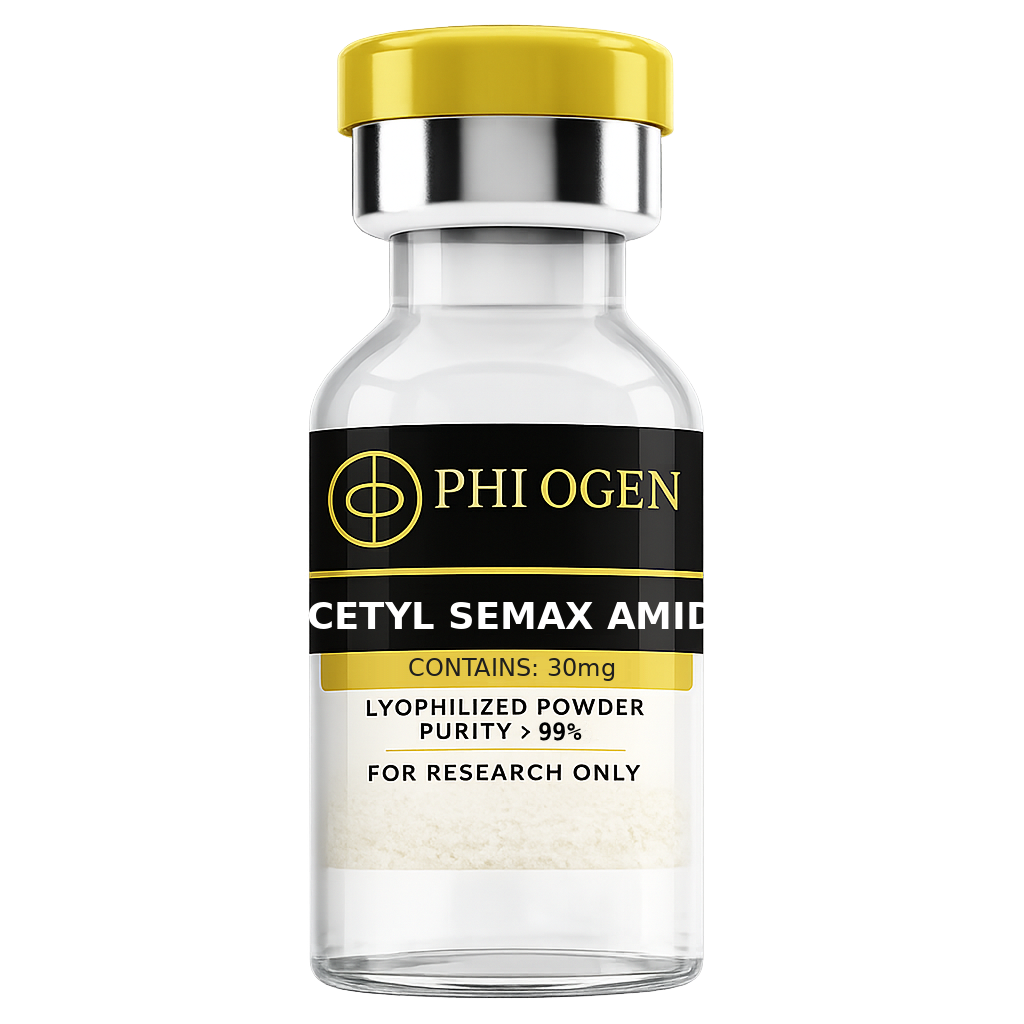
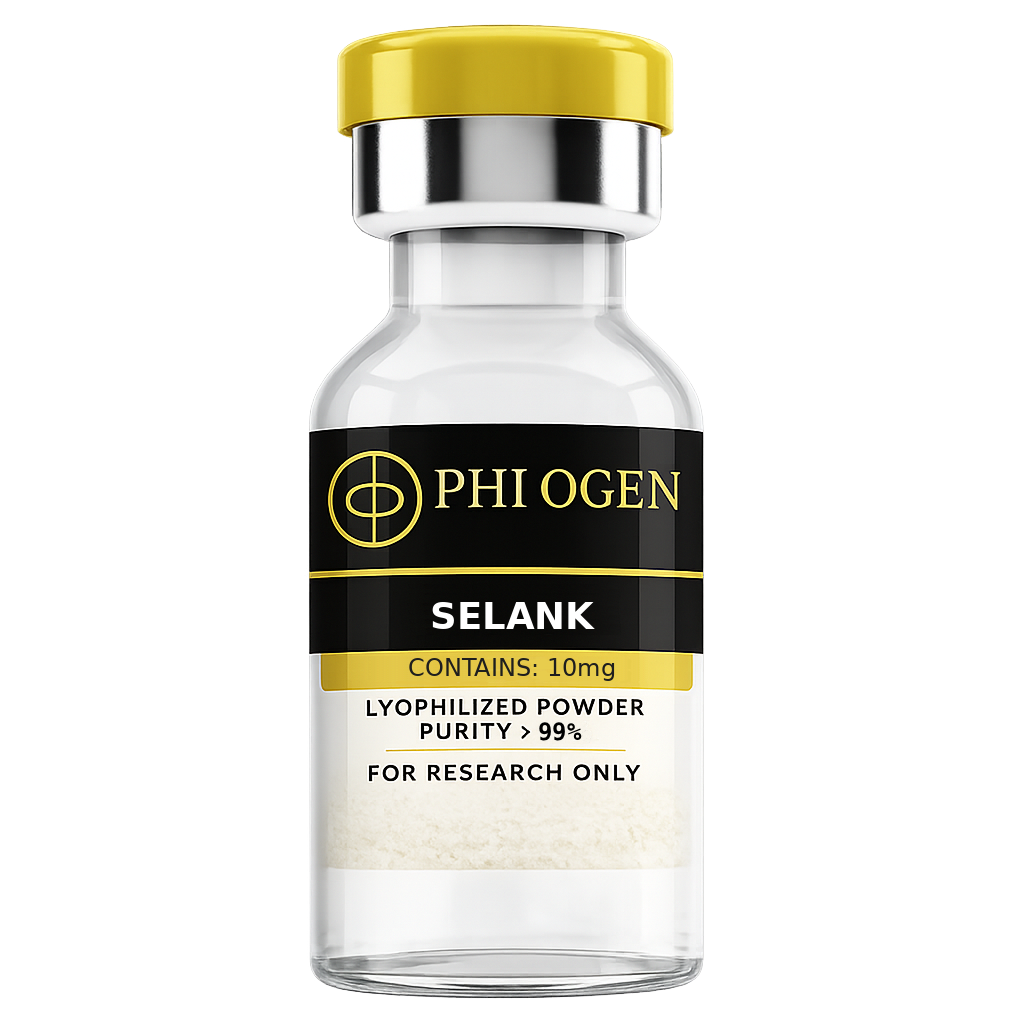
· PE-22-28 + Selank: TrkB neuroplasticity + tuftsin-derived anxiolytic — anxiety + neurogenesis
· PE-22-28 + Semax: TrkB agonism + BDNF upregulation (Semax mechanism) — direct + indirect BDNF signaling
Monitoring:
· Behavioral assessment (mood scales, anxiety questionnaires in human research contexts)
· Cognitive testing (memory, executive function) at baseline and 4–8 week intervals
· No known biomarker for TrkB activation in peripheral blood — rely on functional/behavioral outcomes
Cognitive & Nootropic
BDNF mimetic antidepressant peptide — fast-acting mood enhancement.
Quality Assurance
HPLC Testing
Purity verified per batch
Mass Spectrometry
Molecular identity confirmed
Certificate of Analysis
Publicly available
US-Based Supplier
HPLC + Mass Spec Verified
Synergistic Combinations
Stack PE-22-28 10mg With
Ready to Start?
Begin your PE-22-28 10mg protocol
HPLC-tested and mass-spectrometry verified, with a Certificate of Analysis for every batch.
Get PE-22-28 10mg