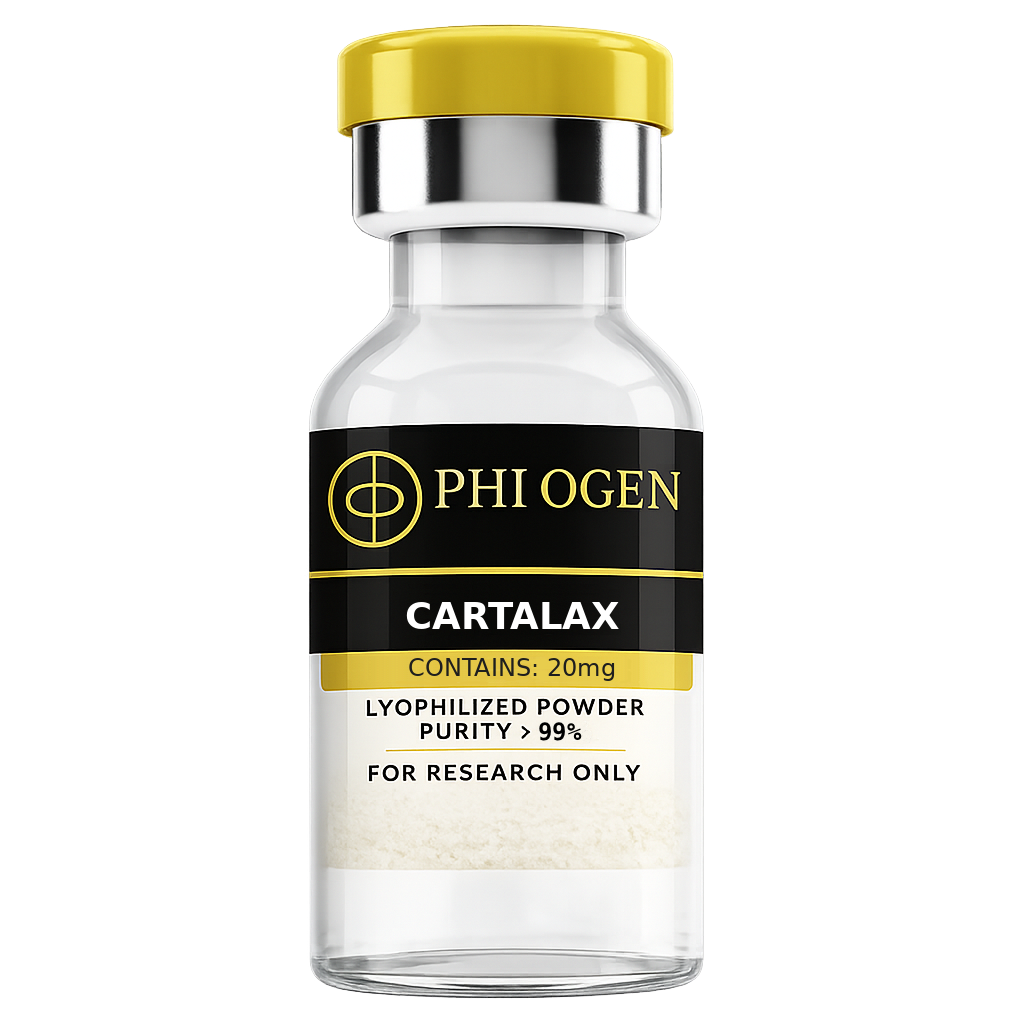
Cartalax 20mg
Cartilage and connective tissue bioregulator peptide.
Buy verified Cartalax 20mg. 99.0% purity. Cartilage and connective tissue bioregulator peptide.
27–36%
Mortality reduction*
33%
Telomere lengthening
15yr
Human follow-up data
Chondrocyte Epigenetic Restoration
Cartalax reactivates age-silenced genes for collagen and proteoglycan synthesis in chondrocytes — addressing cartilage degeneration at the root epigenetic level rather than masking inflammation or supplementing matrix components externally.
Complete Connective Tissue Coverage
Beyond cartilage, Cartalax activates fibroblast gene expression in ligament, tendon, and joint capsule tissue — making it a comprehensive periarticular connective tissue bioregulator, not merely a cartilage-specific agent.
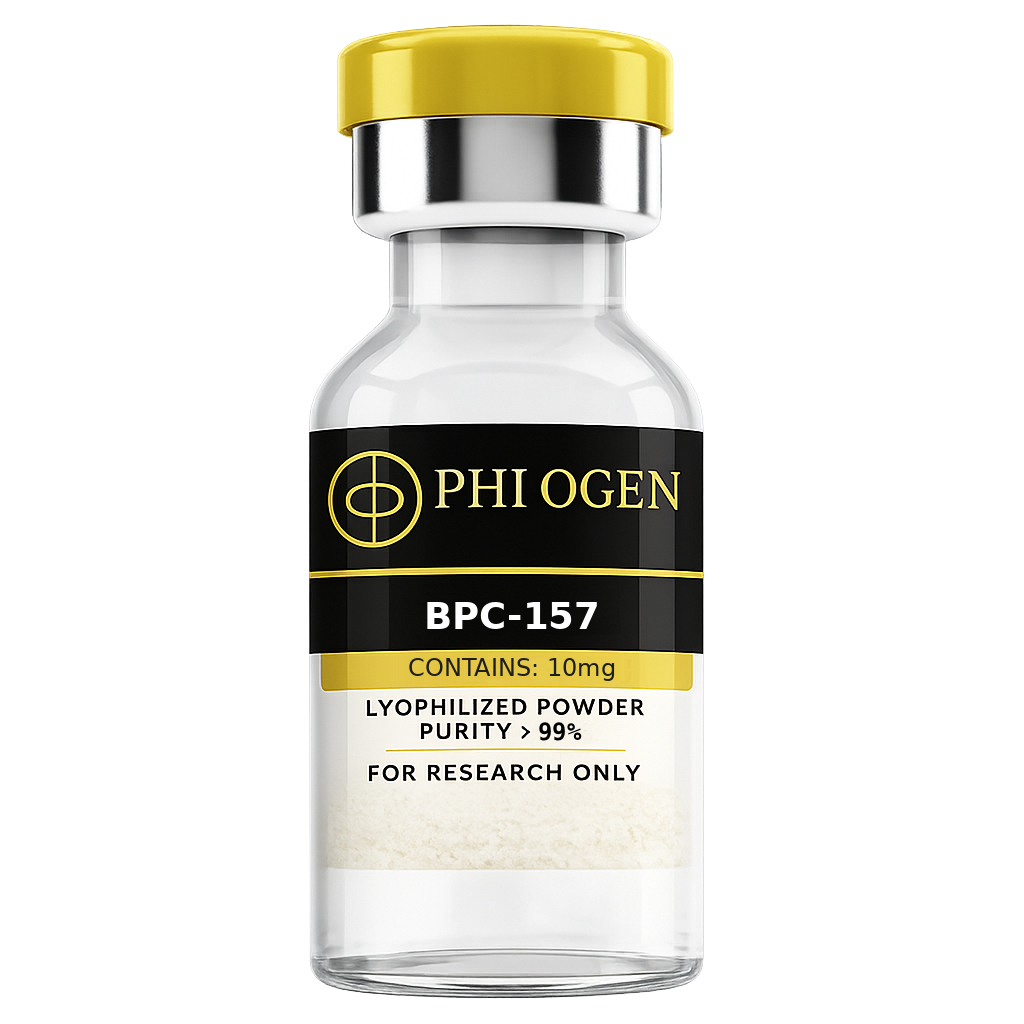
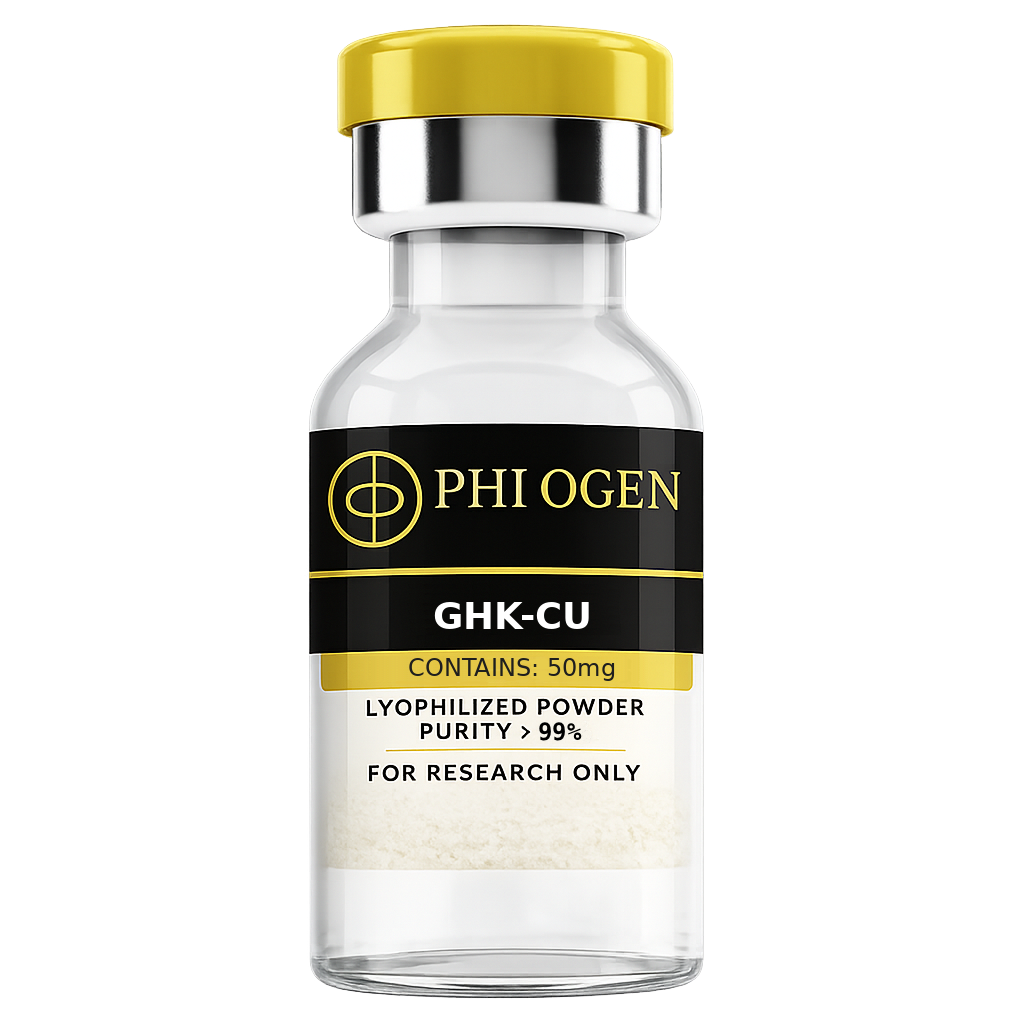
Synergistic with BPC-157 and TB-500
Cartalax restores the cellular capacity to synthesize connective tissue matrix; BPC-157 and TB-500 drive growth factor signaling and actin-mediated repair. Together they address joint degeneration at epigenetic, growth factor, and structural levels simultaneously.
Cartalax: Cartilage Bioregulator Protocol
Mechanism · Evidence · Application
Cartalax is a bioregulator peptide targeting cartilage and connective tissue — part of the Khavinson series of tissue-specific short peptides developed at the St. Petersburg Institute of Bioregulation and Gerontology. Its precise amino acid sequence activates gene transcription in chondrocytes and connective tissue cells that has been suppressed by aging, mechanical stress, and inflammatory signaling — the epigenetic root of progressive joint degeneration.
Articular cartilage presents one of the most challenging tissue maintenance problems in the body: it is avascular, meaning it receives no direct blood supply and relies on diffusion from synovial fluid for nutrient delivery. This limited nutrition, combined with the compressive loads experienced in daily movement, makes cartilage uniquely susceptible to accumulative damage. Chondrocytes — the sole cell type in cartilage — have limited replicative capacity and declining synthetic activity with age, progressively reducing the rate at which type II collagen and aggrecan (the key extracellular matrix components that give cartilage its load-bearing properties) are replaced.
Cartalax acts by penetrating chondrocyte nuclei and binding to histone-DNA complexes, activating transcription of genes for collagen synthesis, proteoglycan production, and chondrocyte differentiation markers. This epigenetic reactivation restores the cell's ability to produce and maintain the extracellular matrix proteins responsible for cartilage mechanical properties. In animal studies, Cartalax treatment produced measurable increases in cartilage matrix density, improved chondrocyte viability, and reduced markers of cartilaginous degeneration — effects sustained well beyond the treatment period.
Beyond direct cartilage effects, Cartalax influences the broader connective tissue environment. Connective tissue bioregulators like Cartalax also affect fibroblast activity in joint capsule, ligament, and tendon tissue — supporting the entire periarticular connective tissue complex rather than cartilage alone. This comprehensive connective tissue trophic effect makes Cartalax relevant not only for joint degeneration but also for ligament and tendon repair following injury, and for maintaining connective tissue integrity throughout the musculoskeletal system with aging.
The clinical relevance extends to bone-cartilage interface health. Subchondral bone quality is a critical determinant of cartilage health — mechanical signaling from degenerated subchondral bone accelerates cartilage breakdown. Cartalax's connective tissue effects include support for the bone-cartilage interface, addressing the bidirectional relationship between bone quality and cartilage preservation.
Standard protocol involves 2mg/day for 10 consecutive days, administered subcutaneously or intranasally, with cycles repeated 2–4 times per year. For active joint rehabilitation following injury, more frequent initial cycling (every 3 months in the first year) is typically employed. Cartalax combines synergistically with BPC-157 (which promotes connective tissue healing through growth factor upregulation) and TB-500 (actin-mediated tissue repair) — the epigenetic restoration of chondrocyte synthetic capacity provided by Cartalax complements the growth factor and actin-mediated repair mechanisms of these healing peptides.
Longevity & Anti-Aging Benefits
Epigenetic reactivation of chondrocyte synthetic genes — restores type II collagen and aggrecan production in cartilage cells
Improves cartilage matrix density and structural integrity in animal models
Reduces chondrocyte apoptosis — maintains the limited cell population responsible for cartilage maintenance
Broad connective tissue trophic effect — supports fibroblasts in ligament, tendon, and joint capsule tissue
Supports bone-cartilage interface health — addresses the subchondral bone link in cartilage degeneration
Relevant for both age-related joint degeneration and post-injury connective tissue repair
Course effects persist beyond treatment period — epigenetic transcriptional reactivation is self-sustaining
Combinable with BPC-157 and TB-500 for multi-mechanism connective tissue restoration
No systemic anti-inflammatory side effects — tissue-specific gene activation rather than pharmacological suppression
Applicable to multiple joint sites simultaneously — systemic administration reaches all chondrocyte populations
Anti-Aging Protocol Guide
Cartalax 20mg Protocol Guide
Standard Cartalax Course:
· Dose: 2mg/day
· Route: Subcutaneous injection or intranasal
· Duration: 10 consecutive days per course
· Frequency: 2–4 courses per year
Injury/Rehabilitation Protocol:
· 4 courses in first year (quarterly) for active joint repair
· Reduce to 2 courses/year for maintenance once structural improvement established
Stacking for Joint Repair:
· Cartalax + BPC-157: epigenetic chondrocyte restoration + growth factor-mediated tissue repair
· Cartalax + TB-500: connective tissue epigenetic + actin-mediated repair mechanisms
· Triple stack: Cartalax + BPC-157 + TB-500 for comprehensive joint rehabilitation
Administration:
· SC injection: 2mg once daily in periarticular tissue or distant SC site
· Intranasal: equally effective for systemic chondrocyte bioregulator effect
Monitoring:
· MRI or ultrasound at baseline and 6–12 months for objective cartilage tracking
· Pain scores and functional assessment as proxy outcome measures
Anti-Aging & Longevity
Cartilage and connective tissue bioregulator peptide.
Quality Assurance
HPLC Testing
Purity verified per batch
Mass Spectrometry
Molecular identity confirmed
Certificate of Analysis
Publicly available
US-Based Supplier
HPLC + Mass Spec Verified
Synergistic Combinations
Stack Cartalax 20mg With
Ready to Start?
Begin your Cartalax 20mg protocol
HPLC-tested and mass-spectrometry verified, with a Certificate of Analysis for every batch.
Get Cartalax 20mg