Epithalon
Telomerase activator — extend telomere length and reduce all-cause mortality.
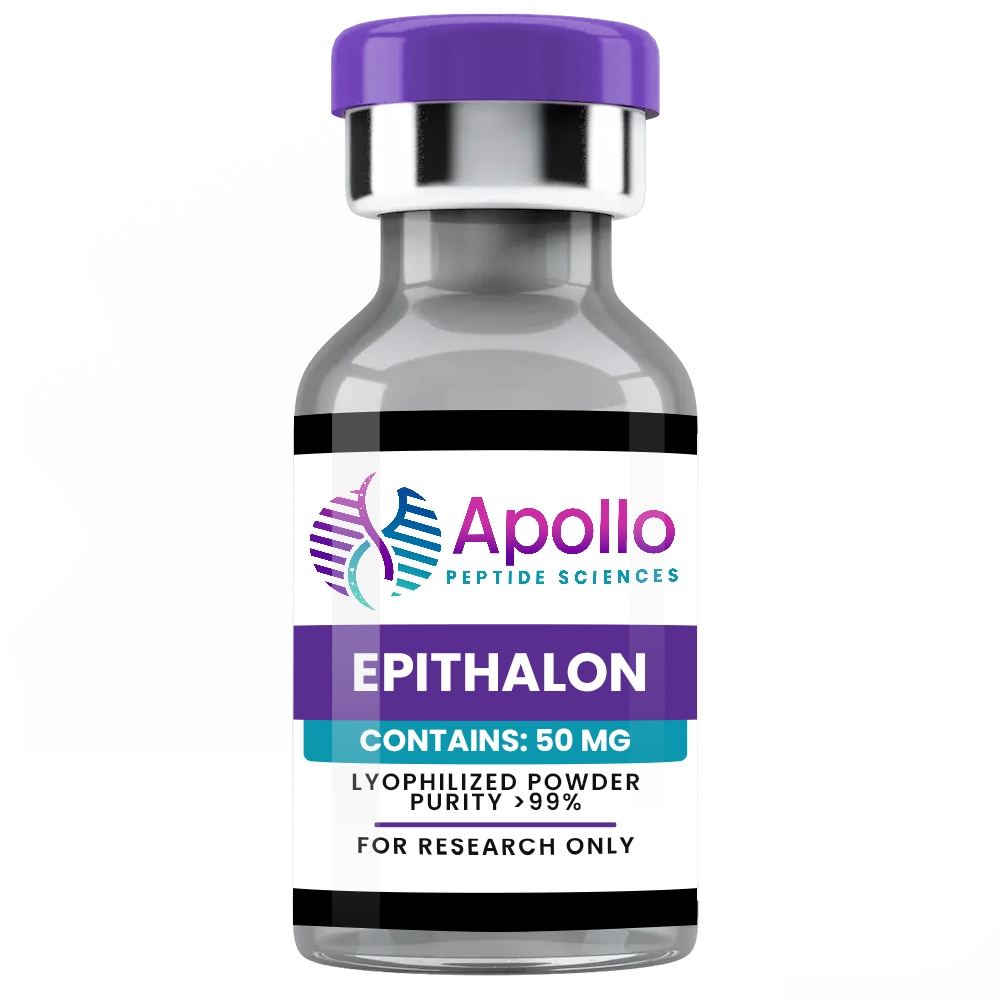
Epithalon is a tetrapeptide that activates telomerase, extends telomere length, and has shown 27–36% reduction in all-cause mortality in 15-year human follow-up studies.
27–36% Mortality Reduction
Documented in Khavinson et al. 15-year human study — the strongest longevity data of any peptide in the literature.
Telomere Extension
~33% increase in telomere length in human cell studies — a direct measure of slowed biological aging.
Burst Protocol
Only 10–20 days of injection per year produce lasting results — high efficacy with minimal intervention.
Epithalon: The Science-Backed Longevity Protocol
Mechanism · Evidence · Application
Epithalon (Epitalon, Epithalamin) is a synthetic tetrapeptide (Ala-Glu-Asp-Gly) derived from the pineal gland peptide Epithalamin. It is the most extensively human-researched peptide for anti-aging and longevity, with studies spanning over 15 years conducted by Vladimir Khavinson and colleagues at the St. Petersburg Institute of Bioregulation and Gerontology.
Telomerase Activation — The Foundation of Longevity
The primary mechanism of Epithalon is the activation of telomerase — the enzyme that maintains and extends telomere length. Telomeres are the protective caps at chromosome ends that shorten with each cell division. When telomeres reach critical minimum length, cells undergo senescence or apoptosis. Shorter telomeres are one of the strongest predictors of biological age and mortality.
Epithalon activates telomerase and has been shown in human cell studies to add approximately 33% more telomere length — a finding with profound implications for cellular longevity.
The Human Longevity Data
The most remarkable aspect of Epithalon is its human clinical data. In a 15-year retrospective study of 266 elderly subjects, those who received periodic Epithalon injections showed a 27–36% reduction in all-cause mortality compared to controls. This is one of the largest mortality-reduction effects documented for any peptide in human subjects.
Additional human studies documented improvements in: - Sleep quality and melatonin normalization - Immune function (T-lymphocyte and natural killer cell activity) - Vision and retinal health - Endocrine function in elderly subjects
Longevity & Anti-Aging Benefits
27–36% reduction in all-cause mortality in 15-year human follow-up studies
Activates telomerase — extends telomere length by ~33% in human cell studies
Normalizes melatonin secretion — improves circadian rhythm and sleep quality
Enhances immune function: T-lymphocytes, NK cells, and thymus activity
Restores antioxidant enzyme activity (superoxide dismutase, catalase)
Improves retinal function in age-related macular degeneration models
Regulates pineal gland and neuroendocrine function across aging
Used in short burst protocols — achieves lasting effects with minimal doses
Anti-Aging Protocol Guide
Epithalon Protocol Guide
Standard Burst Protocol (Most Common):
· Dose: 5–10mg daily subcutaneous injection
· Duration: 10–20 consecutive days
· Frequency: 1–2 burst cycles per year
· Timing: Evening injection preferred
Extended Protocol (Advanced):
· 20 days on / 4+ months off
· Some practitioners use every 3 months for aggressive anti-aging
Year-Round Maintenance:
· After initial burst: 5mg injections 1–2× per week during off periods
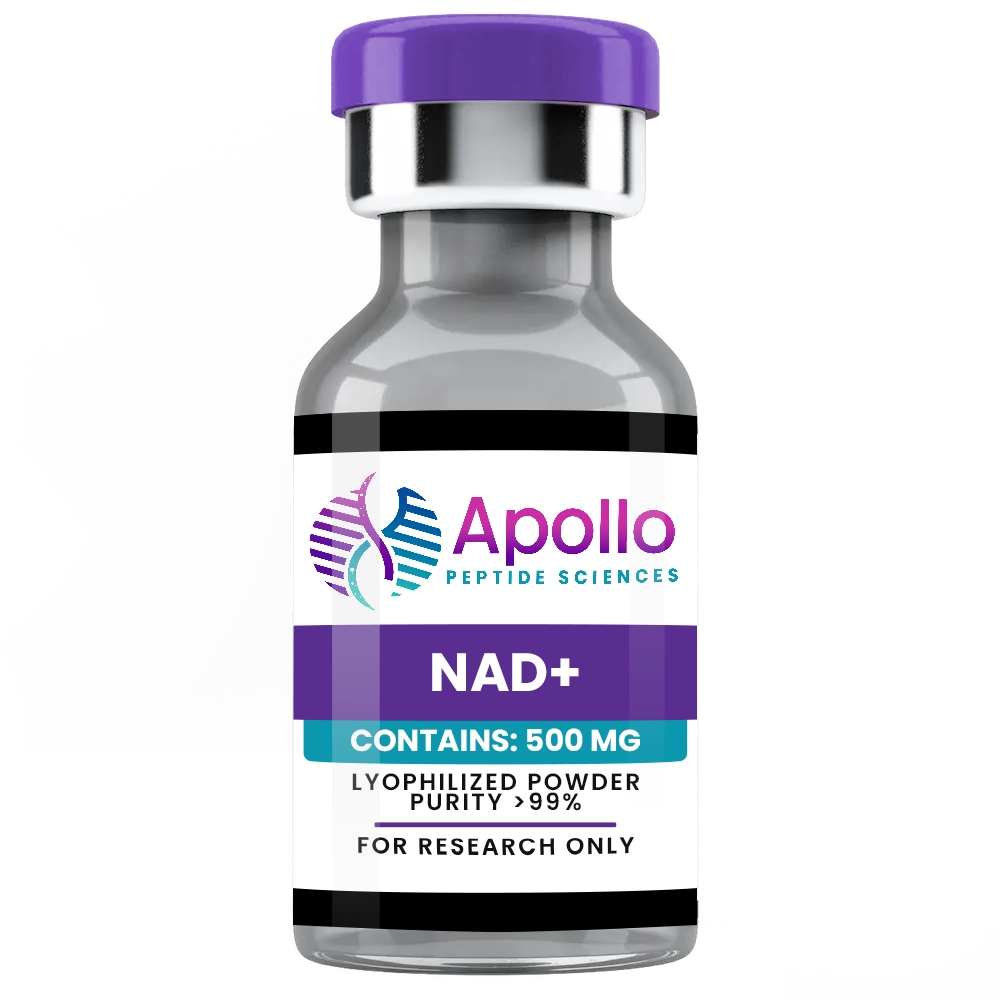
· Continue GHK-Cu and NAD+ year-round between Epithalon cycles
Storage:
· Lyophilized powder: stable at room temperature for shipping
· Reconstituted: refrigerate and use within 30 days
Anti-Aging & Longevity
Telomerase activator — extend telomere length and reduce all-cause mortality.
Quality Assurance
HPLC Testing
Purity verified per batch
Mass Spectrometry
Molecular identity confirmed
Certificate of Analysis
Publicly available
US-Based Supplier
Apollo Peptides Sciences
Synergistic Combinations
Stack Epithalon With


Ready to Start?
Begin your Epithalon protocol
Source from Apollo Peptides Sciences — HPLC-tested, mass-spectrometry verified, with a Certificate of Analysis per batch.
Shop Epithalon at Apollo