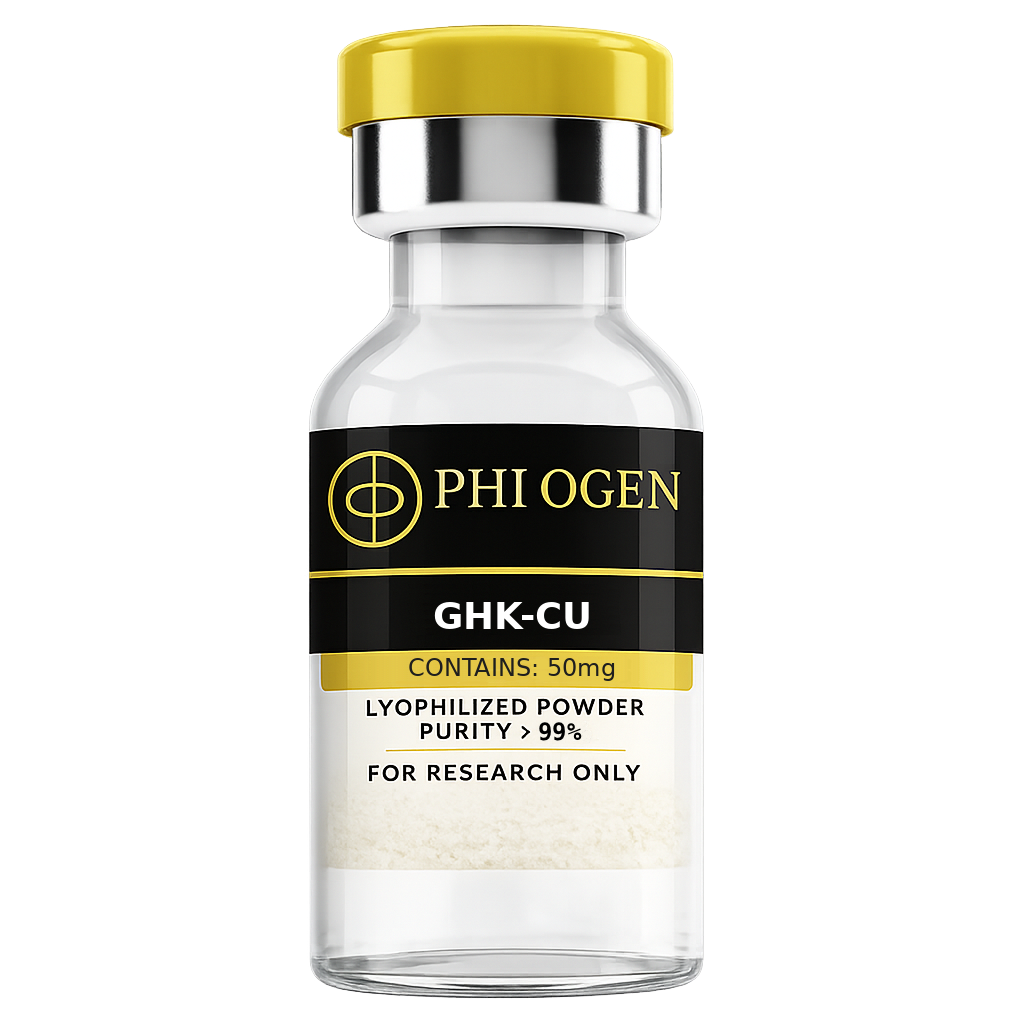
GHK-Cu (Copper Peptide)
Chemical name: Glycyl-L-Histidyl-L-Lysine : Copper(II)
CAS: 49557-75-7
GHK-Cu is the most scientifically validated anti-aging peptide for skin, collagen, and gene expression. A naturally occurring copper-binding tripeptide that declines with age, it has been shown to reset approximately 30% of age-related gene dysregulation — reversing aging at the molecular level, not just masking it.
4,000+
Genes modulated
70%
Collagen increase (fibroblast)
~30%
Age-gene reset rate
Year-round
No cycling needed
The Most Powerful Anti-Aging Peptide?
GHK-Cu (Glycyl-L-Histidyl-L-Lysine copper complex) is a tripeptide naturally present in human plasma, saliva, and urine. At age 20, plasma concentrations average approximately 200 ng/mL. By age 60, this drops to roughly 80 ng/mL — a 60% decline that correlates strongly with the visible and cellular manifestations of aging.
The copper component is not incidental — GHK's biological activity depends on copper coordination. The GHK-Cu complex activates copper-dependent enzymes involved in collagen cross-linking, antioxidant defense, and tissue remodeling. It is the copper that gives reconstituted GHK-Cu its characteristic blue color and that drives many of its most potent effects.
Unlike most anti-aging compounds that address single pathways, GHK-Cu works at the genetic level. Research by Dr. Loren Pickart demonstrated that GHK-Cu can access cell nuclei and modulate the activity of over 4,000 human genes — including genes governing collagen synthesis, antioxidant enzymes, stem cell activation, DNA repair, and inflammation regulation. This makes it uniquely comprehensive: a single compound addressing aging across dozens of biological pathways simultaneously.
Gene Expression Reset
GHK-Cu reverses approximately 30% of age-associated gene expression changes in human fibroblasts — downregulating cancer-promoting and inflammatory genes while upregulating repair, collagen, and antioxidant genes. This is epigenetic rejuvenation at scale.
Collagen Synthesis (+70%)
GHK-Cu stimulates collagen production in human fibroblast studies by up to 70%. It activates collagen types I, III, and IV — structural proteins that determine skin firmness, density, and elasticity. This is the mechanism behind its well-documented skin improvement effects.
Stem Cell Activation
GHK-Cu activates tissue stem cells — including hair follicle stem cells, skin progenitor cells, and neural stem cells. This drives genuine tissue regeneration rather than cosmetic surface-level improvement.
Antioxidant Defense Upregulation
GHK-Cu upregulates genes encoding superoxide dismutase (SOD), catalase, and glutathione peroxidase — the three primary antioxidant enzymes. Declining antioxidant capacity is a core driver of cellular aging and tissue damage.
Anti-Inflammatory Gene Modulation
GHK-Cu downregulates pro-inflammatory gene signatures (NF-κB pathway, inflammatory cytokines) while upregulating anti-inflammatory mediators. This reduces the chronic low-grade inflammation ("inflammaging") that accelerates aging in every tissue.
GHK-Cu for Skin: What to Expect
GHK-Cu is the most evidence-backed peptide available for skin rejuvenation. In human and in vitro studies, topical and systemic GHK-Cu demonstrates effects that go far beyond what conventional skincare actives achieve. Here is what the research documents and what users consistently report:
+70%
Collagen synthesis increase
In human fibroblast studies — the structural protein determining skin firmness.
+50%
Elastin production
Maintains skin flexibility and resilience — counteracts the sagging associated with elastin loss.
4–6 wks
Visible skin improvement
Most users report measurable texture improvement and reduced fine line depth within 4–6 weeks.
+35%
Proteoglycan synthesis
Proteoglycans maintain skin hydration and volume — their decline causes the flat, dull appearance of aged skin.
GHK-Cu also activates matrix metalloproteinases (MMPs) — enzymes that break down damaged, disorganized collagen and make way for newly synthesized collagen fibers. This remodeling cycle is what produces the long-term structural improvements visible at 8–12 weeks. It explains why GHK-Cu users often see continued improvement months after starting — the collagen remodeling cycle takes time to complete.
For the looksmaxxing protocol, GHK-Cu is a cornerstone compound. Applied topically to the face, neck, and under-eye area twice daily, it addresses the four main visual aging markers: collagen loss, elastin degradation, inflammatory redness, and loss of skin density. No other topical peptide has the same depth of evidence for comprehensive facial rejuvenation.
GHK-Cu for Hair Loss
GHK-Cu is one of the most studied peptides for hair restoration, with peer-reviewed data supporting follicle stem cell activation, enlarged follicle size, and hair regrowth comparable to minoxidil. The mechanism works through two complementary pathways:
Follicle stem cell activation: GHK-Cu activates resting hair follicle stem cells and promotes their entry into the anagen (growth) phase. Many thinning hair conditions involve dormant — not dead — follicles that can be reactivated with appropriate signaling.
Anti-inflammatory scalp environment: Scalp inflammation is a primary driver of follicle miniaturization and hair loss. GHK-Cu's anti-inflammatory gene modulation creates a less hostile environment for follicle function.
Follicle enlargement: Studies show GHK-Cu enlarges follicle diameter — not just preserving existing follicles but improving the caliber of hair produced. This translates to visibly thicker, denser hair over time.
For best results, apply GHK-Cu topically to the scalp at 0.1–0.5% concentration daily. Many users combine scalp application with subcutaneous injection for both systemic and local coverage. See our hair growth peptide guide for a complete protocol.
GHK-Cu Protocol Guide
Systemic Anti-Aging (Subcutaneous)
- Dose: 1–2mg per day
- Timing: Morning injection preferred
- Cycling: Year-round — no cycling required
- Stack with: Epithalon (burst cycles) + NAD+
Topical Skin Application
- Concentration: 0.1–0.5% in serum or saline base
- Frequency: 1–2× daily (morning and evening)
- Area: Face, neck, décolletage
- Note: Do not mix with vitamin C in the same application
Scalp Application (Hair Restoration)
- Concentration: 0.1–1% in saline or carrier
- Frequency: Once daily to scalp
- Method: Apply, massage for 2 minutes, do not rinse
- Timeline: 8–12 weeks for visible regrowth
GHK-Cu Within the Longevity Stack
GHK-Cu is the foundation of any comprehensive anti-aging protocol, but its effects compound when combined with complementary longevity peptides. Here is how it fits into the full protocol.
GHK-Cu
Daily subcutaneous + topical. Provides continuous gene expression modulation, collagen synthesis, and antioxidant defense. The always-on foundation of the anti-aging protocol.
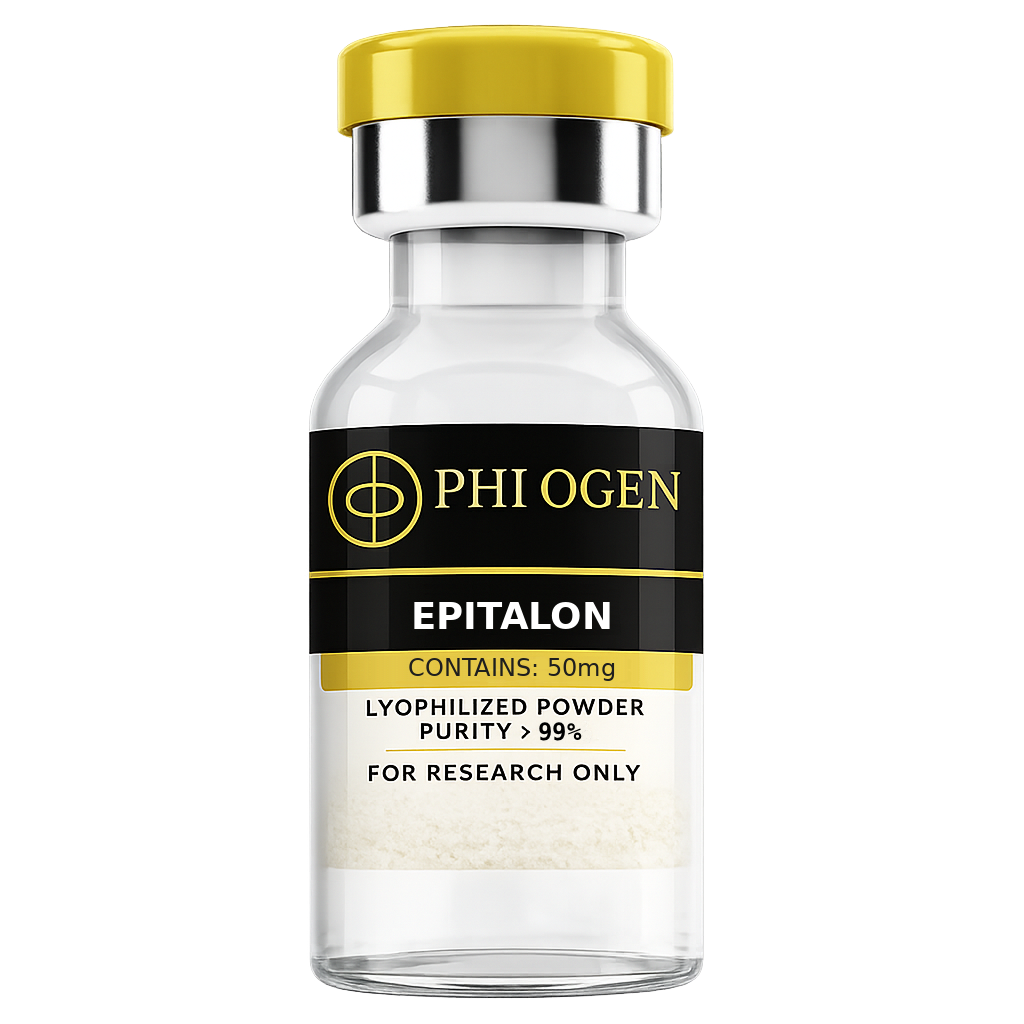
Shop GHK-CuEpithalon
10–20 day burst cycles, 1–2× per year. Activates telomerase for telomere extension — addressing the deepest level of cellular aging that GHK-Cu cannot reach alone.
Shop EpithalonNAD+ 500mg
2–3× per week ongoing. Restores mitochondrial energy production and activates sirtuin longevity enzymes — addressing cellular aging from the energy and DNA repair angles.
Shop NAD+Anti-Aging Peptide Hub
Full anti-aging protocol guide with Epithalon, GHK-Cu, NAD+, and SNAP-8 — including evidence summaries and stack protocols.
Best Peptides for Anti-Aging 2026
Ranked comparison of every anti-aging peptide with evidence grades, mechanisms, and protocol recommendations.
Shop Anti-Aging Peptides
HPLC-verified purity, COA available per batch.
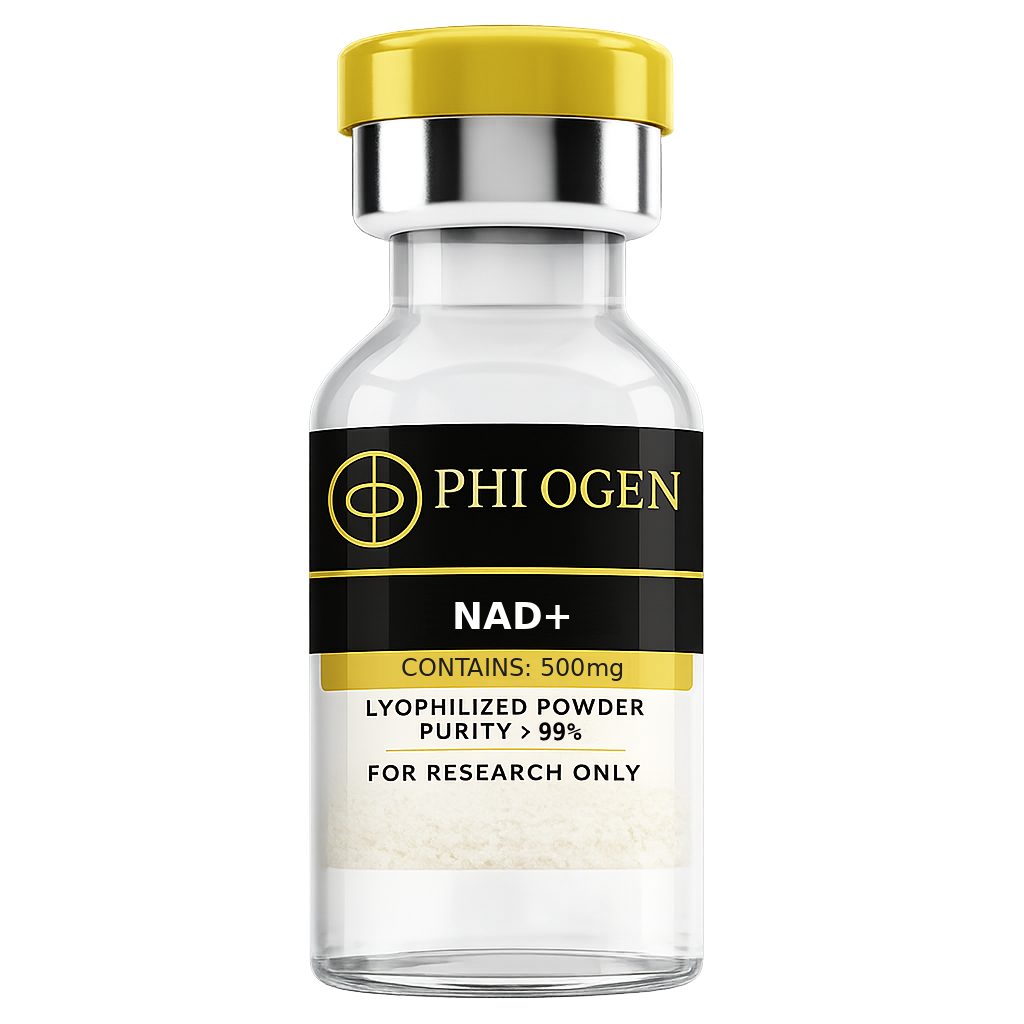
Buy trusted NAD+ (nicotinamide adenine dinucleotide) — the verified master cellular energy cofactor that declines 50% by age 50. Restoring NAD+ levels activates sirtuins, improves mitochondrial function, and slows cellular aging.
GHK-Cu Questions Answered
Is GHK-Cu better injected or applied topically?
Both routes are effective but for different applications. Subcutaneous injection delivers GHK-Cu systemically for whole-body gene expression modulation, cellular rejuvenation, and internal organ benefits. Topical application concentrates GHK-Cu in the skin and scalp for local collagen stimulation, wound healing, and hair follicle activation. For maximum anti-aging effect, combining daily subcutaneous injections with topical application to the face and scalp is the preferred protocol.
How long does it take to see results from GHK-Cu?
Topical skin improvements are typically visible within 4–6 weeks — improved texture, reduced fine line depth, and increased firmness. Hair regrowth, when it occurs, typically requires 8–12 weeks to become visible. The systemic gene expression effects are measurable in lab markers (collagen synthesis markers, oxidative stress parameters) within 4–8 weeks but may not manifest as obviously visible changes until 8–12 weeks of consistent use.
Can I mix GHK-Cu with other skincare products?
Yes — GHK-Cu is compatible with most serums and moisturizers. The critical rule is to avoid mixing it in the same application as vitamin C (ascorbic acid) or retinol, as these can oxidize the copper component and reduce peptide stability. Apply GHK-Cu serum first to clean skin, wait 5–10 minutes, then layer other actives over it. In injection form, it is compatible with any other subcutaneous peptides.
Does GHK-Cu work for hair loss?
Yes — GHK-Cu is one of the most studied peptides for hair loss. It stimulates hair follicle stem cells, enlarges follicle size, and has shown regrowth comparable to minoxidil in peer-reviewed studies. Applied topically to the scalp at 0.1–0.5% concentration once or twice daily, it activates dormant follicles and supports existing hair retention. Subcutaneous injection adds a systemic component that addresses hormonal and inflammatory hair loss drivers.
What concentration should I use for topical GHK-Cu?
For facial application: 0.1–0.5% GHK-Cu in a serum or saline base. Higher concentrations (up to 1%) may be used on the scalp. Reconstitute lyophilized GHK-Cu powder in bacteriostatic water or a compatible serum base. For a 0.5% solution in 10ml: dissolve 50mg GHK-Cu in 10ml base. The distinctive blue color of the copper complex is normal and verifies proper reconstitution.
Should GHK-Cu be cycled or used year-round?
GHK-Cu does not require cycling — it can be used year-round without receptor desensitization or diminishing returns. Plasma GHK-Cu levels naturally decline with age and replenishment through supplementation appears safe for continuous use based on available toxicology data. Unlike Epithalon (which uses burst protocols), GHK-Cu is typically used as a daily maintenance compound.
Related Reading