Metabolmaxxing Peptides for Sale
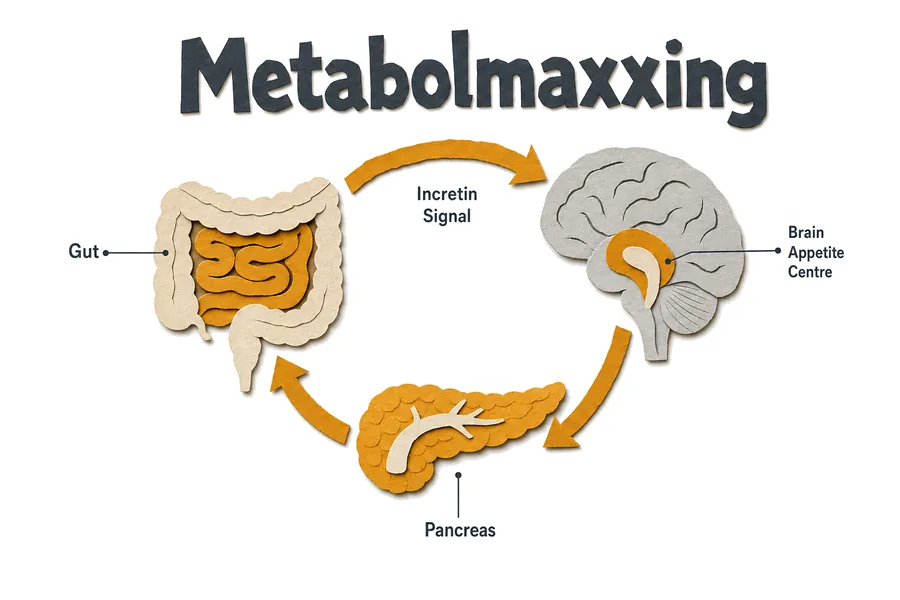
Metabolmaxxing covers the GLP-1 axis — the incretin receptor agonists that have reshaped fat-loss research over the past five years. The class works by activating GLP-1 receptors in the hypothalamus to slow gastric emptying and reduce caloric intake, with newer compounds layering on GIP and glucagon receptor activity for compounding effect. Semaglutide set the benchmark at roughly −15% body weight, Tirzepatide's dual mechanism pushed past −20%, and the triagonist Retatrutide reached −28.7% in Phase 2 trials. Cagrilintide adds a separate amylin pathway that pairs well with GLP-1 agonists. Each peptide below is compared across vendors on price, dose variants, and certificate-of-analysis practice so you can weigh the options within this research use case.
15 peptides in this category.
5-Amino-1MQ
From
$17.99
Adipotide
From
$80.99
AICAR
CAS 2627-69-2
From
$62.99
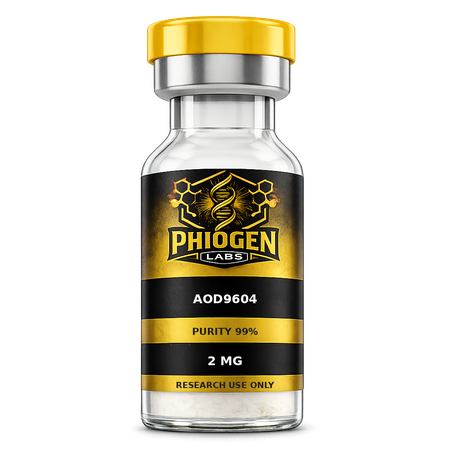
AOD9604
CAS 221231-10-3
From
$35.99
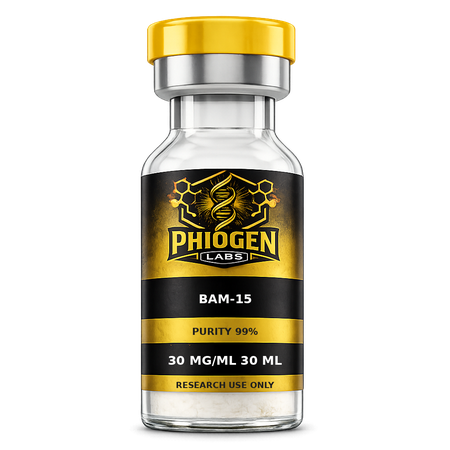
BAM-15
From
$80.99
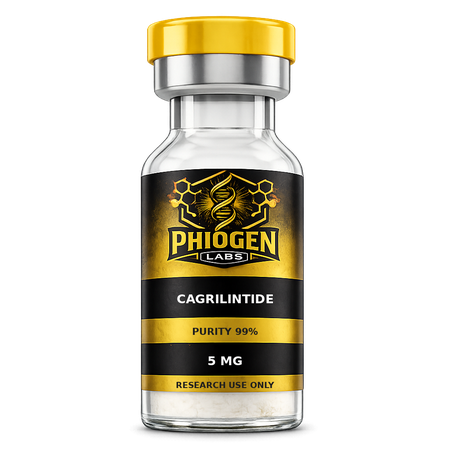
Cagrilintide
CAS 1802880-68-7
From
$89.99
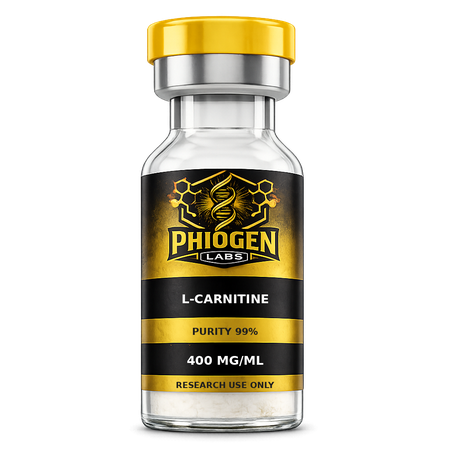
L-Carnitine
CAS 541-15-1
From
$35.99
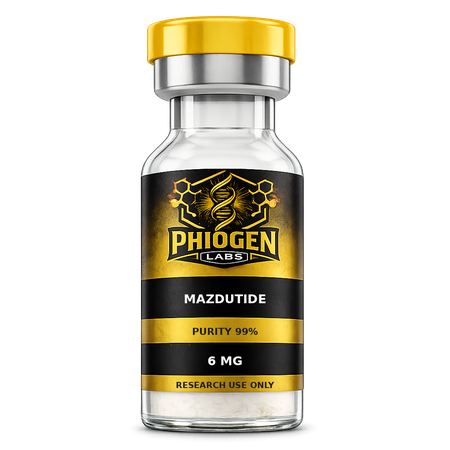
Mazdutide
From
$100.00
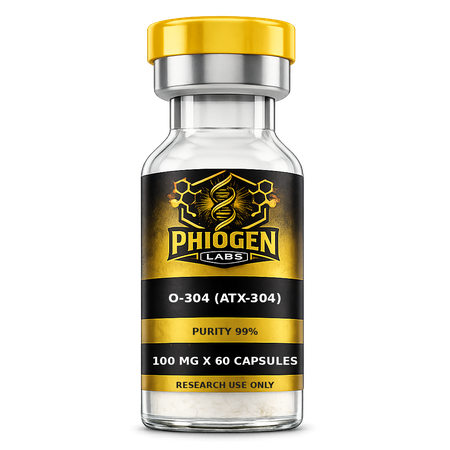
O-304
From
$107.99
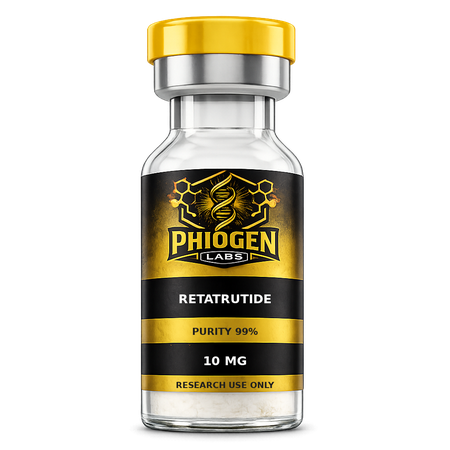
Retatrutide
CAS 2381609-35-2
From
$90.00
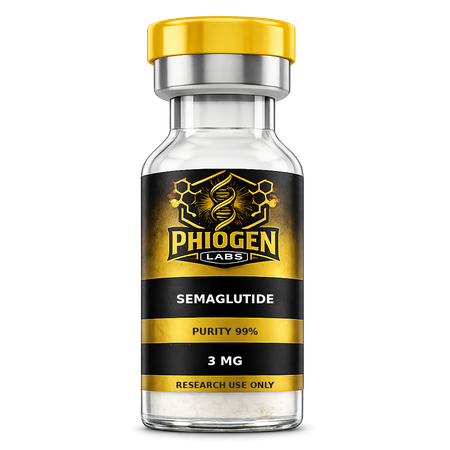
Semaglutide
CAS 910463-68-2
From
$44.99
SLU-PP-332
From
$35.99
Survodutide
From
$143.99
Tesofensine
CAS 402856-42-2
From
$89.99
Tirzepatide
CAS 2023788-19-2
From
$134.99
What Metabolmaxxing covers: one receptor, then two, then three
Metabolmaxxing is the clearest example in peptide research of a class improving by addition rather than refinement. The foundational mechanism is GLP-1 receptor activation in the hypothalamic arcuate nucleus: slowed gastric emptying, reduced caloric intake through central satiety signalling, improved pancreatic beta-cell function. Everything that followed kept that base and bolted another receptor onto it. GIP came second, glucagon third, and amylin arrived from a separate direction entirely. What separates the compounds below is not potency at one target — it is how many independent targets each one engages.
The five Metabolmaxxing compounds, and what separates them
Semaglutide (GLP-1R)
A monoagonist with weekly dosing enabled by fatty acid side-chain albumin binding (half-life ~7 days). The STEP 1 Phase 3 trial (2021, n=1961) demonstrated −14.9% body weight over 68 weeks at 2.4 mg/week. This remains the reference benchmark for the class.
Tirzepatide (GLP-1R + GIPR)
A dual co-agonist synthesized on a novel non-GLP scaffold, providing balanced GIP and GLP-1 receptor activity. GIPR activation in adipose tissue enhances insulin-stimulated glucose uptake and may reduce the GI burden of GLP-1 agonism. SURMOUNT-1 (2022, n=2539): −20.9% at 15 mg over 72 weeks. Approved for obesity indication in 2023.
Retatrutide (GLP-1R + GIPR + GcgR)
A triagonist that adds glucagon receptor activation to the dual mechanism. Glucagon receptor signalling increases hepatic glucose output and activates brown adipose tissue thermogenesis — both energy-expenditure pathways independent of appetite suppression. Phase 2 (2023, n=338): −28.7% at 24 mg over 48 weeks — the highest recorded in any pharmacological weight-loss trial.
Cagrilintide (Amylin Analogue)
Cagrilintide targets the amylin receptor system, a separate satiety pathway from GLP-1. It slows gastric emptying via a distinct CNS mechanism and complements GLP-1 agonists when co-administered. The CagriSema combination (Cagrilintide + Semaglutide, SCALE NEXT Phase 2) showed −15.6% at 32 weeks with attenuated GI side-effect burden relative to equivalent-dose semaglutide alone.
AOD9604
A fragment of human growth hormone (hGH 177–191) studied for its lipolytic properties with minimal IGF-1 pathway activation. Evidence remains largely preclinical; it does not share the GI mechanism profile of GLP compounds.
What each trial actually produced
| Compound | Peak Trial Data | Phase | Evidence Grade |
|---|---|---|---|
| Semaglutide | −14.9% / 68 wk | Approved | A |
| Tirzepatide | −20.9% / 72 wk | Approved | A |
| Retatrutide | −28.7% / 48 wk | Phase 2 | B+ |
| Cagrilintide+Sema | −15.6% / 32 wk | Phase 2 | B |
| AOD9604 | Preclinical lipolysis | Phase 2 (halted) | C |
Read the grade column before the percentage column. Two of these compounds carry approved-drug evidence; the headline −28.7% figure belongs to a Phase 2 result on 338 subjects, which is a different quality of number.
Why Metabolmaxxing vial sizes aren't comparable
Every other shelf on this site can be shopped by vial price. Metabolmaxxing can't. GLP compounds are dosed in milligrams per week on an escalating schedule, and vendors sell them in vials from 2 mg to 30 mg — so a cheaper vial is routinely the more expensive compound. A 5 mg semaglutide vial and a 15 mg tirzepatide vial are not the same purchase, and neither is a 10 mg cagrilintide vial next to a CagriSema blend where the label mass is split between two components. Cost per milligram is the only figure that survives that comparison, and each compound's page carries the vendor listings to work it out from. Blend labels need one more step: divide the stated total by the component you are actually escalating.
Escalation is not optional
All GLP-axis compounds require structured dose escalation — generally 4-week increments from the minimum effective dose — to allow GI adaptation. Escalation schedules from the STEP and SURMOUNT trials are the reference templates. Skipping steps does not change the end mechanism; it changes the adverse-event rate. Co-administration of BPC-157 is common in protocols specifically to address gastroprotective concerns during escalation.
Lean mass is the variable that gets missed
Muscle mass preservation during extended deficits is the primary confounder in GLP research. DEXA or BIA tracking is standard. GH secretagogue co-administration (Ipamorelin, CJC-1295) is frequently included specifically to counteract lean tissue losses during aggressive recomposition — the reason Metabolmaxxing and Massmaxxing get shopped together more often than any other pair on this site.
Metabolmaxxing questions about the GLP axis
What separates Retatrutide from Tirzepatide mechanistically?
Tirzepatide activates GLP-1 and GIP receptors. Retatrutide adds glucagon receptor (GcgR) co-agonism. GcgR activation drives hepatic beta-oxidation and brown adipose thermogenesis — active energy expenditure pathways that function independently of appetite suppression. This third receptor is the primary mechanistic explanation for the additional ~8% body weight difference seen between the two compounds in Phase 2 vs Phase 3 data.
Why do all GLP compounds require dose escalation?
GLP-1 receptor activation slows gastric emptying, which causes nausea and GI discomfort at therapeutic doses. Gradual escalation allows enteric nervous system adaptation. The escalation protocols in the STEP, SURMOUNT, and Phase 2 Retatrutide trials all follow 4-week step intervals. Skipping escalation does not change the final mechanism but substantially increases GI adverse event rates.
What is Cagrilintide and how does it differ from GLP peptides?
Cagrilintide is a long-acting amylin analogue (amylin receptor agonist), not a GLP-axis compound. Amylin is co-secreted with insulin from pancreatic beta cells and signals satiety through a distinct hypothalamic pathway. Combining cagrilintide with semaglutide (CagriSema) engages two separate satiety mechanisms simultaneously, which Phase 2 data indicates improves both efficacy and GI tolerability relative to semaglutide dose-matching alone.
How is lean mass typically monitored in GLP research protocols?
DEXA scanning provides the most precise lean mass vs fat mass differentiation and is used in most clinical trials. Bioelectrical impedance analysis (BIA) is the practical surrogate for ongoing monitoring. Given the magnitude of weight loss with triple agonists, lean mass tracking is considered essential — losses above ~25% of total weight loss as lean tissue are considered a protocol concern warranting co-administration adjustments.