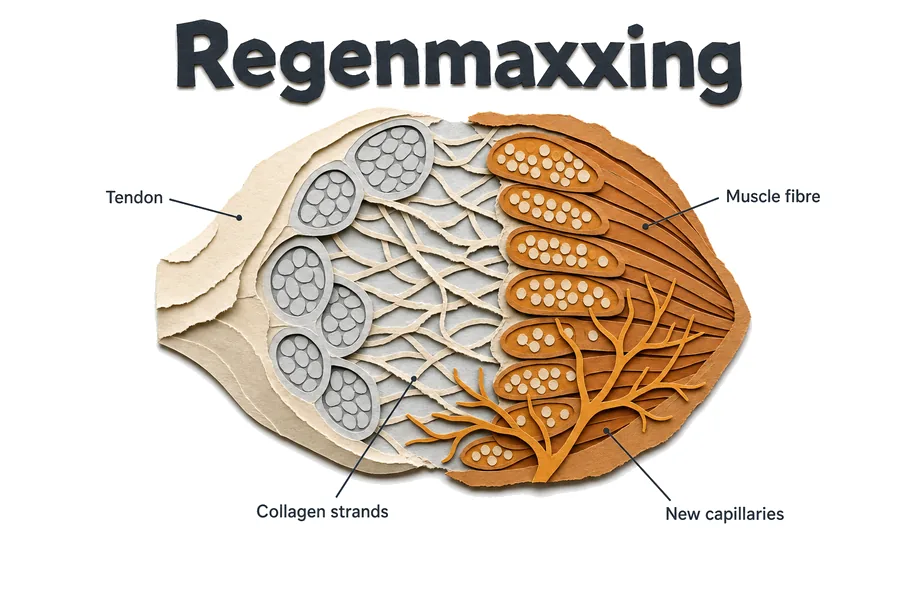
Regenmaxxing Peptides for Sale
Regenmaxxing covers peptides studied for tissue repair, connective-tissue remodelling, and immune modulation. Unlike compounds that act on hormones or neurotransmitters, this class works locally — on wound healing, angiogenesis, mucosal integrity, and the cytoskeleton. BPC-157 is the reference compound here, a 15-amino-acid pentadecapeptide with over 140 indexed preclinical studies behind it. TB-500, Thymosin Alpha-1, KPV, and the Khavinson bioregulators round out the group, each addressing a different repair pathway. Every peptide below is compared across vendors on price, dose variants, and certificate-of-analysis practice.
28 peptides in this category.
ARA-290
From
$80.99
Bacteriostatic Water
From
$11.69
BPC-157
CAS 137525-51-0
From
$30.00
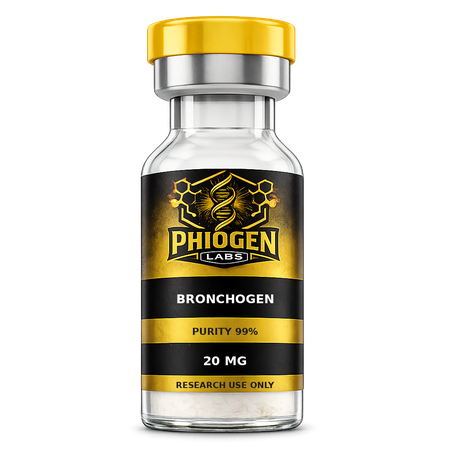
Bronchogen
From
$69.97
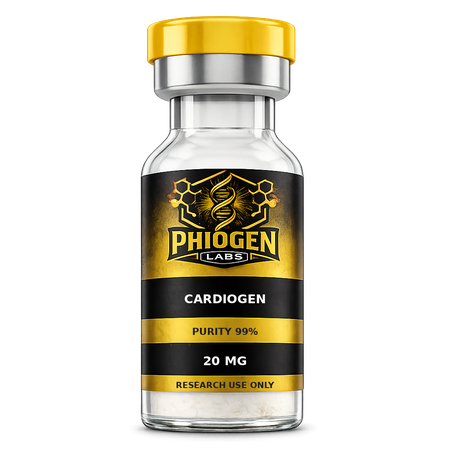
Cardiogen
From
$69.97
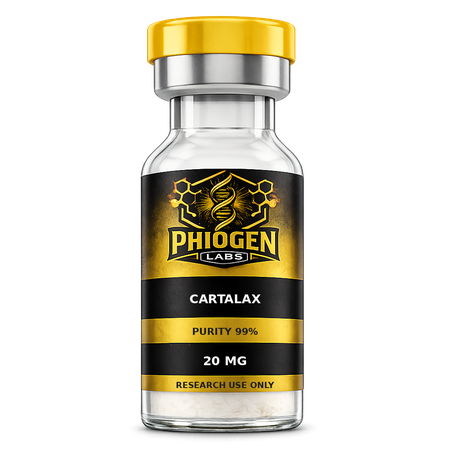
Cartalax
From
$69.97
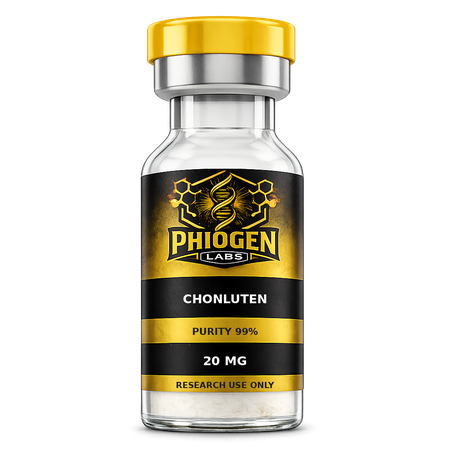
Chonluten
From
$69.97
Cortagen
From
$69.97
Crystagen
From
$71.99
KPV
From
$53.99
Livagen
From
$71.99
LL-37
From
$89.99
MOTS-c
From
$78.00
Ovagen
From
$71.99
Oxytocin
CAS 50-56-6
From
$62.99
Pancragen
From
$71.99
Prostamax
From
$71.99
SS-31
CAS 736992-21-5
From
$89.99
TB-500
CAS 77591-33-4
From
$53.99
Testagen
From
$79.97
Thymogen
From
$71.99
Thymosin Alpha-1
CAS 72957-38-1
From
$45.00
Thymulin
From
$53.99
Bacteriostatic Water USP
From
$13.49
Vesilute
From
$71.99
Vesugen
From
$71.99
Vilon
From
$71.99
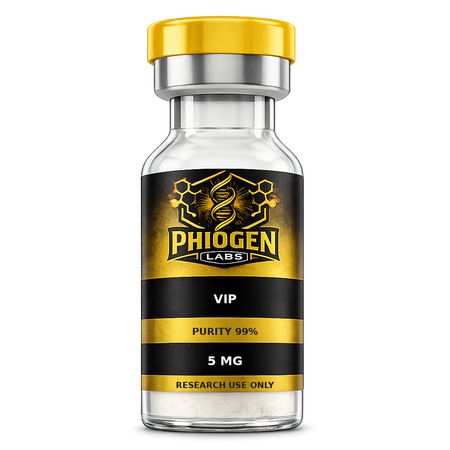
VIP
CAS 40077-57-4
From
$71.99
Regenmaxxing is local repair — that's the organising idea
The compounds behind Regenmaxxing are unusual in acting on tissue rather than on an axis. There is no hormone being modulated and no receptor cascade running through the pituitary. What is being studied is angiogenesis, cytoskeletal dynamics, mucosal integrity and cytokine suppression at the site that needs them. That difference explains the dosing patterns further down: local, frequent, and paired with something systemic to cover the ground the local compound can't reach.
BPC-157, the Regenmaxxing reference compound
Body Protection Compound-157 is a synthetic 15-amino-acid pentadecapeptide derived from a naturally occurring gastric protective protein. With over 140 indexed preclinical studies, it carries the largest evidence base of any research peptide outside the GLP class.
How it acts on tissue
- VEGFR2 upregulation: Drives angiogenesis — capillary formation at injury sites — accelerating perfusion and nutrient delivery
- FAK-Paxillin pathway activation: Promotes focal adhesion kinase signalling, driving cell migration and tissue adhesion during wound closure
- NO system modulation: Nitric oxide pathway effects include gastroprotection, vasodilation, and mucosal repair
- NF-κB downregulation: Attenuates pro-inflammatory cytokine signalling at injury sites
- EGR-1 and SP1 transcription factor regulation: Gene-level effects on tissue growth factors
Where the evidence is strongest
| Tissue Target | Evidence Grade | Notes |
|---|---|---|
| Gastric ulcer / mucosal repair | A | Most replicated finding |
| Tendon and ligament repair | A | Multiple rat models, dose-response established |
| Skeletal muscle crush injury | B | Preclinical, mechanism clear |
| Bone fracture healing | B | Preclinical |
| Liver fibrosis protection | B | Preclinical |
| CNS / nerve repair | C | Early data, limited replication |
BPC-157 has no approved human trials to date. Every Grade A above refers to preclinical consistency, not human RCT data — a distinction that disappears in most write-ups of this compound.
TB-500 and actin dynamics
TB-500 is a synthetic analogue of the 43-amino-acid thymosin beta-4 protein, specifically its actin-binding domain. Where BPC-157 acts at the site it is delivered to, TB-500's defining property is systemic distribution — it reaches injury sites throughout the body via circulation.
- G-actin sequestering: Sequesters monomeric G-actin, shifting equilibrium toward F-actin polymerisation, which drives cell motility, migration, and tissue remodelling
- Angiogenesis promotion: Through signalling distinct from BPC-157's VEGFR2 route
- Anti-inflammatory: Downregulates NF-κB similarly to BPC-157 but via partly distinct upstream signals
- Half-life: Approximately 10 days, which is what permits weekly rather than daily dosing
Why the two get stacked
The compounds are complementary rather than redundant: BPC-157 gives local, rapid-onset repair signalling on a ~4-hour active window; TB-500 gives systemic reach over ~10 days. They share no primary receptor, so co-administration adds coverage instead of doubling a dose. That is the mechanistic case behind the most common Regenmaxxing pairing — and the reason it is also sold pre-blended.
Oral, injectable, or blended: the Regenmaxxing format question
Regenmaxxing is the one shelf here where format genuinely changes the compound. BPC-157 survives gastric acid — it was derived from a gastric protective protein — so oral capsules are a real option rather than a marketing one, and they are the appropriate route when the target is the GI tract itself. For tendon, ligament, or systemic work, subcutaneous or intramuscular delivery of the lyophilized vial remains the studied route. The pre-blended BPC/TB vial is a third format again, fixing the ratio at 1:1 and covering both the daily local signal and the weekly systemic dose from one reconstitution. Capsule listings, vials, and blends all sit in the grid above with very different per-milligram economics, so compare within a format before comparing across.
Thymosin Alpha-1 and immune-led healing
Thymosin Alpha-1 is a 28-amino-acid peptide derived from thymosin fraction 5, approved in multiple countries for viral hepatitis and as a cancer adjunct. Its mechanism is dendritic cell maturation and T-cell differentiation, particularly Th1 activation. It earns its place in Regenmaxxing where the healing response in question is immune-mediated rather than mechanical. Despite the shared "thymosin" name it is structurally and mechanistically unrelated to TB-500.
KPV and LL-37
KPV (Lys-Pro-Val) is the C-terminal tripeptide fragment of alpha-MSH. It inhibits NF-κB nuclear translocation directly, reducing pro-inflammatory cytokine production, and has been studied in intestinal inflammation models. LL-37 is a cathelicidin-derived antimicrobial peptide with dual antimicrobial and immunomodulatory activity, studied where infection risk and inflammation are combined variables in wound healing.
The Khavinson bioregulators
The Khavinson short peptides — di-, tri-, and tetrapeptides — target specific tissues through organ-directed signalling. Each came out of the St. Petersburg Institute of Bioregulation with 30–50 years of Russian clinical and preclinical data behind it. They act at sub-nanomolar concentrations, which is why vial sizes on these listings look small next to everything else on the shelf and why per-milligram comparisons against BPC-157 are meaningless.
Regenmaxxing questions about BPC-157 and TB-500
What is the difference between BPC-157 oral and injectable forms in research?
Injectable BPC-157 delivers the peptide systemically and locally near the injection site, with rapid onset at target tissues. Oral BPC-157 is stable in gastric acid (unlike most peptides) due to its derivation from a gastric protection protein — making it uniquely suited for GI tract research models. For musculoskeletal and systemic applications, subcutaneous or intramuscular injection is the standard research route. Oral is used specifically for gut-related research endpoints.
How do TB-500's effects differ from BPC-157 given both promote healing?
The primary distinction is distribution pattern and half-life. BPC-157 acts locally and has an approximately 4-hour active window. TB-500's actin-binding mechanism distributes systemically via circulation with a ~10-day half-life. Their angiogenic and anti-inflammatory mechanisms share some downstream targets but operate through distinct upstream pathways. TB-500 is typically dosed less frequently (weekly or bi-weekly) while BPC-157 is dosed daily or twice daily.
What is Thymosin Alpha-1 used for in recovery research?
Thymosin Alpha-1 (Tα1) is an immunomodulatory peptide approved in multiple countries for hepatitis B, hepatitis C, and cancer adjunct indications. In recovery research, it is studied for its role in Th1 immune pathway activation and dendritic cell maturation — mechanisms relevant when immune-mediated tissue repair is the primary variable. It is distinct from Thymosin Beta-4 (TB-500) in both structure and mechanism.
Why is BPC-157 often included in GLP peptide protocols?
GLP-1 receptor agonists slow gastric emptying and disrupt GI motility, particularly during dose escalation. BPC-157's gastroprotective mechanisms — NO-pathway mucosal repair, tight junction restoration, and VEGF-driven vascular support of the gastric mucosa — directly address the GI environment affected by GLP agonism. This mechanistic rationale underpins its frequent co-administration in metabolic research protocols.