Massmaxxing Peptides for Sale
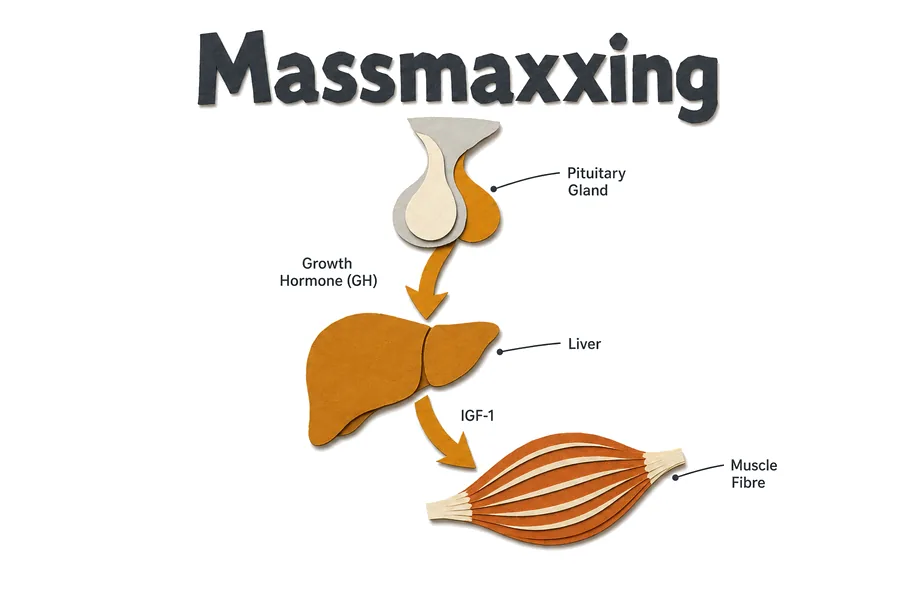
Massmaxxing covers growth hormone secretagogues and the IGF-1 peptides that sit downstream of them. Rather than supplying exogenous GH, these compounds stimulate the body's own pituitary release, preserving the natural feedback loop of the GH/IGF-1 axis. Two receptor pathways are in play: GHRH analogues like Sermorelin, CJC-1295, and Tesamorelin activate somatotrophs directly, while ghrelin-receptor agonists such as Ipamorelin trigger GH release through an independent route. The two are frequently stacked because their mechanisms are complementary rather than redundant. The listings below compare each peptide across vendors on pricing, dose options, and certificate-of-analysis practice.
12 peptides in this category.
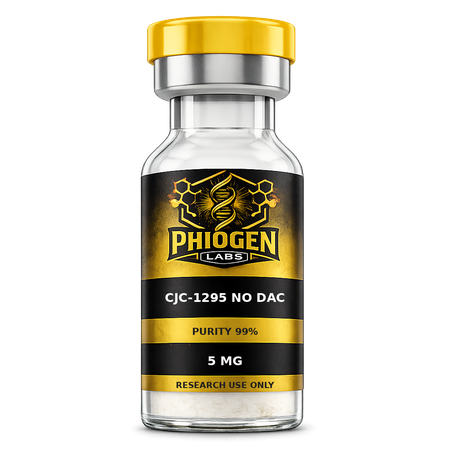
CJC-1295 No DAC
CAS 863288-34-0
From
$44.99
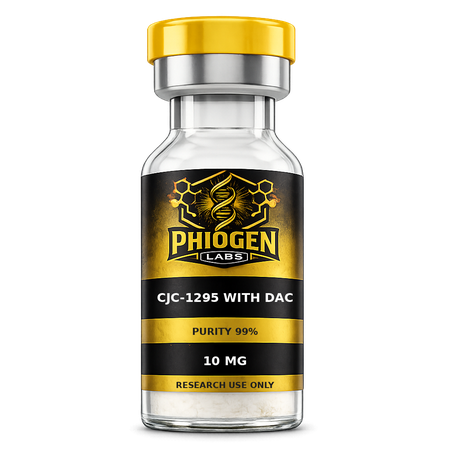
CJC-1295 with DAC
CAS 863288-34-0
From
$60.00
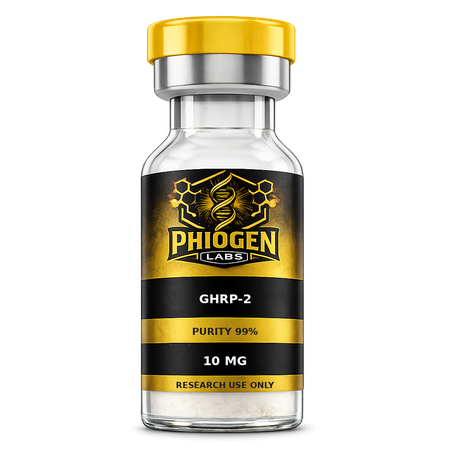
GHRP-2
CAS 158861-67-7
From
$44.99
GHRP-6
CAS 87616-84-0
From
$44.99
Gonadorelin Acetate
CAS 33699-97-5
From
$44.99
Hexarelin
CAS 140703-51-1
From
$53.99
IGF-1 LR3
CAS 946870-92-4
From
$71.99
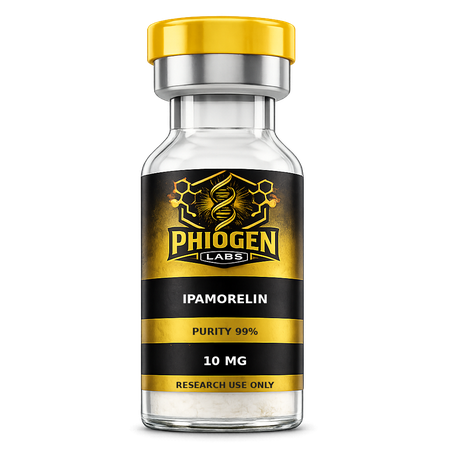
Ipamorelin
CAS 170851-70-4
From
$40.00
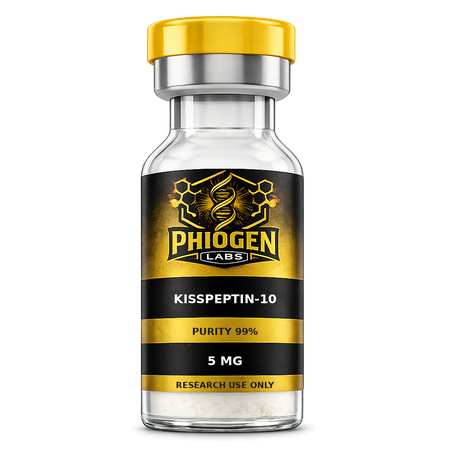
Kisspeptin-10
From
$53.99
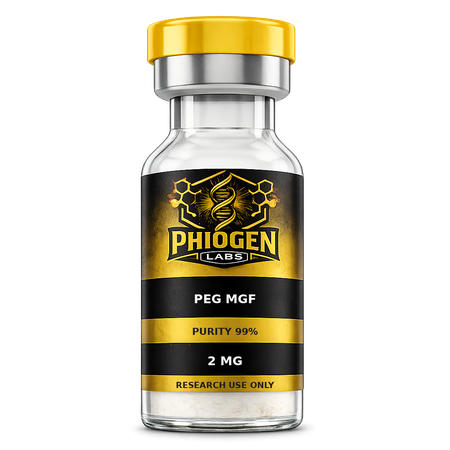
PEG-MGF
From
$62.99
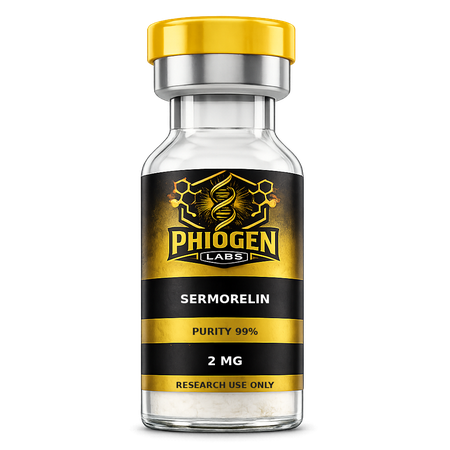
Sermorelin
CAS 86168-78-7
From
$35.99
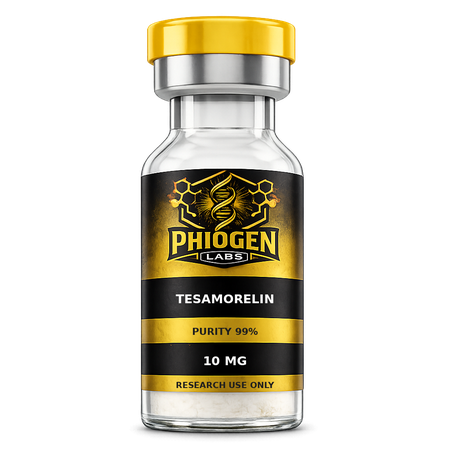
Tesamorelin
CAS 901758-09-6
From
$70.00
Massmaxxing runs through two doors into the same pituitary pulse
Massmaxxing is built on growth hormone secretagogues — compounds that stimulate endogenous GH release rather than supplying exogenous GH. They act upstream — at the pituitary somatotroph — which leaves the GH/IGF-1 feedback loop intact. Two receptor systems open that door independently: GHRH receptors, hit by the Sermorelin/CJC-1295/Tesamorelin family, and the ghrelin receptor GHSR-1a, hit by Ipamorelin and the older GHRPs. Neither pathway substitutes for the other, which is the entire reason Massmaxxing is bought in pairs rather than one vial at a time.
The Massmaxxing GHRH analogues: Sermorelin, CJC-1295, Tesamorelin
Sermorelin (GRF 1–29)
The shortest bioactive GHRH fragment with full receptor affinity. Half-life is approximately 10–20 minutes, producing discrete GH pulses when dosed pre-sleep to align with natural nocturnal GH secretion. The shortest-acting and most physiologically conservative option in the class.
CJC-1295 (No DAC)
A modified GHRH analogue with four amino acid substitutions that improve plasma stability and enzymatic resistance. The No DAC formulation retains an ~30-minute active window, maintaining pulsatile GH kinetics. The DAC variant (with Drug Affinity Complex) extends half-life to 6–8 days via albumin binding, producing sustained GH elevation that flattens natural pulsatility — generally avoided in pulse-based protocols. Both variants are stocked as separate listings, and the labels differ by three characters, which is worth reading twice before checkout.
Tesamorelin
FDA-approved in 2010 for HIV-associated lipodystrophy — the only GHRH analogue in Massmaxxing with Grade A human evidence. Trials demonstrated significant visceral fat reduction and improved lipid profiles. Its full 44-amino-acid sequence mirrors native GHRH more closely than the truncated analogues, giving it the strongest translational basis of the group.
Ghrelin-receptor agonists: Ipamorelin and the older GHRPs
Ipamorelin
A synthetic pentapeptide GHSR-1a agonist. The critical differentiator from older GHRPs: Ipamorelin does not elevate cortisol or prolactin at research doses. GHRP-2 and GHRP-6 are non-selective and trigger ACTH-cortisol release, which complicates interpretation in any protocol sensitive to cortisol. Ipamorelin is the reference GHRP for modern work.
GHRP-2 and GHRP-6
Older hexapeptide secretagogues with stronger GH pulse amplitude than Ipamorelin but documented cortisol and prolactin elevation. GHRP-6 also potently stimulates appetite via ghrelin pathway activation — a variable that complicates metabolic work outright. Both retain utility in specific contexts, at a fraction of Ipamorelin's price, which is the trade being made whenever they appear in a protocol.
Why the two classes are dosed together
GHRH analogues and ghrelin receptor agonists work through non-overlapping receptor systems, so combining them produces GH pulses larger than either compound alone. Ipamorelin + CJC-1295 (No DAC) is the standard dual-mechanism pairing: CJC-1295 amplifies the magnitude of the release while Ipamorelin triggers the release event. Timing both within a five-minute window is what produces the synergy; dosing them hours apart produces two ordinary pulses.
IGF-1 LR3 sits downstream of all of it
IGF-1 LR3 is a recombinant IGF-1 analogue with a 13-amino-acid N-terminal extension that reduces IGF-binding protein affinity. That extends half-life from ~15 minutes for native IGF-1 to roughly 20–30 hours. It acts at IGF-1R on muscle and bone directly and does not require GH axis activation at all — meaning it neither needs nor benefits from the secretagogues above it on this page. It is the one compound here that is not a pituitary play.
Massmaxxing singles against the pre-mixed vial
The Ipamorelin/CJC-1295 pairing is sold both as two vials and as a single pre-blended vial, and the two routes are not equivalent purchases. A blend fixes the ratio at formulation — typically 5 mg + 5 mg — so every draw delivers both components in that proportion. Two singles cost more in reconstitution work and bacteriostatic water but let each component be escalated, paused, or dropped on its own. The pre-mixed route is also where label mass gets confusing: a "10mg total" blend vial holds 5 mg of each compound, not 10 mg of either. Blend listings for this pairing live on the Blendmaxxing shelf; the singles are in the grid above.
Which Massmaxxing compounds have human data behind them
Tesamorelin holds the only approved-drug evidence grade in the class. Ipamorelin and CJC-1295 have robust Phase 1/2 data. Sermorelin carries historical clinical data from growth hormone deficiency studies. The GHRP compounds have extensive preclinical and early human data but no large Phase 3 trials. IGF-1 LR3 has essentially no human trial base and the widest gap between how often it is discussed and how much is known about it.
Pulse timing, and what blunts it
Pulse-based protocols dose the GHRH + GHRP pairing pre-sleep, aligning with the natural nocturnal GH pulse, and optionally in a fasted morning or pre-workout window. Carbohydrate intake within roughly 90 minutes of dosing raises somatostatin tone, which blunts the pulse — the single most common way a technically correct protocol produces nothing.
Massmaxxing questions worth settling before you buy
What is the difference between CJC-1295 with DAC and without DAC?
The DAC (Drug Affinity Complex) modification binds albumin in plasma, extending CJC-1295 half-life from ~30 minutes to 6–8 days. No DAC preserves discrete GH pulses that mimic natural pituitary secretion patterns. With DAC creates sustained GH elevation, which blunts natural pulsatility and may increase IGF-1 chronically. Most current protocols prefer No DAC specifically to maintain pulsatile kinetics.
Why is Ipamorelin preferred over GHRP-2 and GHRP-6?
Ipamorelin is a selective GHSR-1a agonist that does not activate ACTH-cortisol or prolactin pathways. GHRP-2 and GHRP-6 are non-selective — they elevate cortisol and prolactin as documented side effects. GHRP-6 also strongly stimulates appetite, which is a confounding variable in body composition research. Ipamorelin produces cleaner GH secretagogue data with fewer competing variables.
What does Tesamorelin offer that CJC-1295 does not?
Tesamorelin is FDA-approved with Phase 3 clinical trial data in humans — specifically for visceral fat reduction in HIV-associated lipodystrophy. It is a full-length GHRH analogue (44 amino acids) more closely resembling native GHRH than the truncated or modified CJC-1295 scaffold. For protocols requiring the highest-grade translational evidence, Tesamorelin is the reference compound.
How does IGF-1 LR3 differ from endogenous IGF-1?
Native IGF-1 has a half-life of approximately 15 minutes due to rapid binding protein (IGFBP) sequestration. The 13-amino-acid N-terminal extension in LR3 reduces IGFBP-3 affinity by roughly 1000-fold, extending active half-life to 20–30 hours. This allows IGF-1 LR3 to act on IGF-1R across tissue beds systemically rather than being locally sequestered near the liver like most endogenous IGF-1.